Ever wonder how plumbers tackle those impossible clogs that just won’t budge? Hydro jetting is the solution! This powerful method uses a high-pressure water jet to blast away even the toughest blockages, leaving your pipes clean and clear. Are you curious about how it works, when the pros use it, and how it compares to other cleaning methods? Let’s break it down.
What Is Hydro Jetting in Plumbing?
Hydro jet pipe cleaning, also known as hydro jetting or water jetting, uses high-pressure water jets to remove clogs and break down obstructions in plumbing pipes.
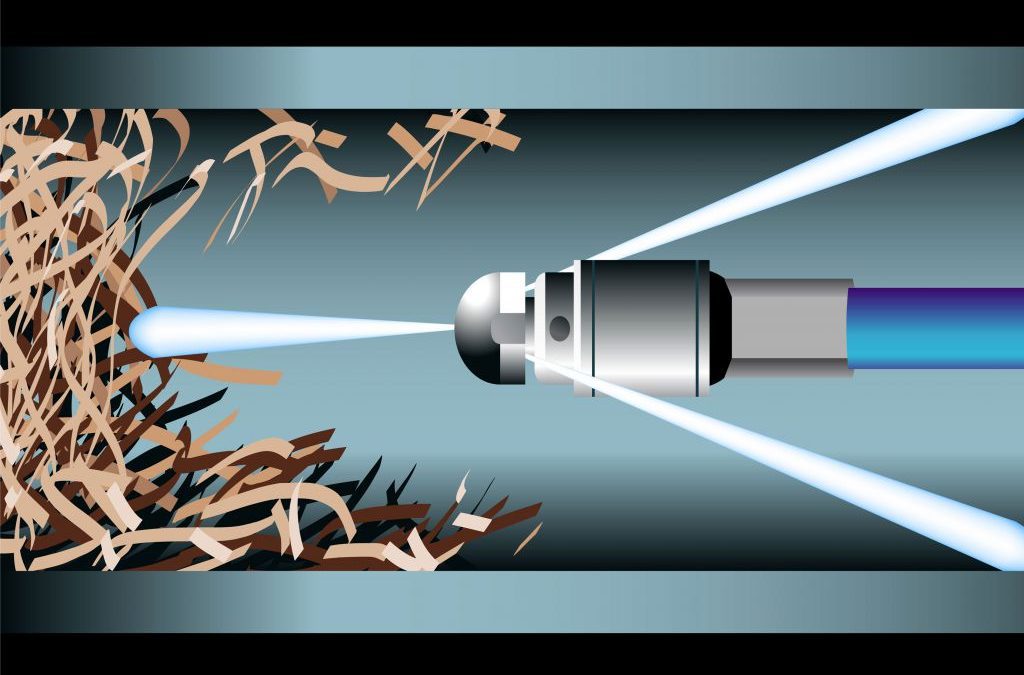
This technique requires three critical pieces of equipment: a high-pressure water pump, a hose, and a specialized nozzle. The water pump generates the pressure, the hose extends deep into the piping beyond the drain, and the nozzle directs the water jets for optimal cleaning.
Hydro jetting pumps typically operate at pressures between 1,500 and 4,000 psi for residential applications. The equipment can reach pressures as high as 10,000 psi in commercial or industrial settings.
What makes hydro jetting nozzles unique is their ability to shoot water in multiple directions. A forward-facing jet cuts through tough obstructions like soap scum, sludge, grease, hair clogs, mineral deposits, and even tree roots. Meanwhile, rear-facing nozzles clean the pipe walls by blasting away grease, fat, and debris as the hydro jetter moves forward.
As the process continues, it removes clogs and thoroughly cleans the pipe, leaving it free of obstructions. Hydro jetting is eco-friendly—no harmful chemicals or pollutants are needed, making it a sustainable choice for tough clog removal.
What is Hydro Jet Drain Cleaning Good For?
Hydro jetting is a powerful and versatile cleaning method that can address numerous plumbing problems. Professional plumbers can use hydro jetting in the following situations:
- Clogs in residential drains. Kitchen sinks, bathroom drains, and laundry lines are prone to blockages caused by grease, soap scum, and hair buildup. High-pressure water jets provide an effective solution for clearing these stubborn clogs.
- Sewer line blockages. Hydro jet cleaning can also remove obstructions from sewer lines, such as tree roots, debris, sediment, excess toilet paper, and other sludge.
- Commercial plumbing maintenance. High-powered hydro jets also clean pipes and sewer lines in commercial and industrial properties. They effectively remove chemical residues, industrial grease, corrosive buildup, and large root intrusions.
Signs Your Pipes May Need Hydro Jetting
A professional plumber might suggest hydro jetting to clean your home’s pipes and drains if you’re dealing with any of the following issues:
- Repeated clogs. If your sinks, bathtub, shower, or toilets frequently clog or drain slowly, hydro jetting might be the solution. It can clear stubborn obstructions that traditional methods like snaking or plunging can’t handle.
- Foul odors. Is there a foul, sewer-like smell coming from inside your drains? A buildup of sludge, grease, soap scum, or other decaying materials could cause this. Hydro jet drain cleaning eliminates these odors by thoroughly cleaning deep within the pipes.
- Noisy pipes? Are you hearing strange gurgling or hissing sounds from your pipes? These noises are often caused by partial blockages trapping air, which escapes and creates the sound. Hydro jetting can clear these blockages, eliminating the source of the noise and restoring proper flow.
- Tree root intrusions. On properties with large trees, roots can sometimes invade sewer pipes to search for water and nutrients. These roots resist traditional clog removal methods like snaking, augers, or chemical drain cleaners.
Hydro jetting a sewer line is often the most effective solution for removing tree roots. The powerful, pressurized water jets can break the roots apart and flush them out of the sewer pipes, restoring proper flow.
What To Expect from a Hydro Jetting Procedure
When performed by an experienced professional, hydro jetting is one of the most efficient methods for removing clogs and thoroughly cleaning pipes. Hydro jetting and drain cleaning involves three steps to ensure your system and fixtures are protected from unnecessary damage. Here’s what to expect:
1. Inspection
Before hydro jetting begins, a professional plumber thoroughly inspects your plumbing system, both externally and internally. The external inspection assesses whether your pipes are in good enough condition to withstand the high-pressure water used.
If the plumber identifies weak or damaged areas, such as cracks, rust, or severe corrosion, they may recommend alternative clog removal methods to avoid causing further damage.
If the external inspection clears your system for jetting, the plumber proceeds with an internal inspection. This step involves inserting a long hose equipped with a specialized camera into the pipes. This allows the plumber to examine the interior closely, evaluate the pipe’s condition, and identify the location, type, and severity of the clogs.
2. High-Pressure Cleaning and Rinsing
After the inspection, the plumber inserts the hydro jetting nozzle and flexible hose into the affected drain. Once it reaches the blockage, the plumber activates the water pump, sending high-pressure jets of water directly at the obstruction to break it down and flush it out of the pipes.
Professional plumbers often use a variety of hydro jet nozzles tailored to different tasks. Nozzles with varying configurations of forward- and rear-facing jets allow them to tackle different types of clogs and effectively clean pipes of various diameters. Depending on the plumber’s assessment, the process may involve using one or multiple nozzles.
As the nozzle moves through the pipe, the rear-facing jets continuously rinse and clean the walls. This ensures that any debris left behind by the forward jets is thoroughly cleared, leaving the pipes clean and obstruction-free.
3. Post-Cleaning Inspection
After completing the cleaning and rinsing pass, the plumber performs a follow-up inspection using the same camera system from the initial evaluation. This step ensures the pipes have been thoroughly cleaned, with as much debris and clogging material removed as possible, and checks for any remaining obstructions further down the line.
If additional cleaning is needed, the plumber repeats the hydro jetting process until all blockages are cleared. They then conduct another inspection to confirm the pipes are clog-free. Once verified, the procedure is complete, giving you confidence that your plumbing system has been fully restored and cleaned.
Hydro Jetting vs. Snaking: Which is Better?
While snaking is suitable for minor clogs, hydro jetting is preferred for severe or recurring blockages.
| Feature | Hydro Jetting | Snaking |
|---|---|---|
| Effectiveness | Thoroughly cleans pipe walls and removes buildup | Breaks apart specific clogs but may leave debris |
| Suitability for Roots | Sewer line hydro jetting can cut and remove tree roots | Ineffective against large root intrusions |
| Longevity of Results | Prevents future clogs by fully clearing pipes | Can remove major obstructions but leave smaller ones in, allowing them to build up again |
| Feature | Hydro Jetting |
|---|---|
| Effectiveness | Thoroughly cleans pipe walls and removes buildup |
| Suitability for Roots | Sewer line hydro jetting can cut and remove tree roots |
| Longevity of Results | Prevents future clogs by fully clearing pipes |
| Feature | Snaking |
|---|---|
| Effectiveness | Breaks apart specific clogs but may leave debris |
| Suitability for Roots | Ineffective against large root intrusions |
| Longevity of Results | Can remove major obstructions but leave smaller ones in, allowing them to build up again |
Keep Your Pipes Flowing With Hydro Jetting
Whether you’re dealing with slow drains, recurring backups, or tree root intrusions, hydro jetting is an effective and eco-friendly solution that helps reduce the risk of costly repairs or repeated plumber visits.
Contact a local licensed plumber if you have a severe clog, need more information on hydro jetting, or want to know if your pipes can be safely cleaned with this method. They can help you assess your plumbing network’s condition and determine if jetting is right for you.
FAQs
What is hydro jetting in plumbing?
Hydro jetting is a method of pipe cleaning and clog removal that uses high-pressure water jets to clear blockages and debris.
Is hydro jetting safe for all pipes?
Yes, as long as the pipes are in good condition and made from modern materials. Fragile or corroded pipes may not withstand the pressure.
Does hydro jetting work on roots?
Hydro jetting effectively cuts and removes tree roots from pipes and sewer lines.
Is hydro jetting worth it?
While it may cost more upfront, hydro jetting pipes provide a thorough cleaning that can prevent future clogs and maintain the longevity of your plumbing system.