Available 24/7
Sewer Pipe Lining Repair Services — Modern, Non-Invasive Plumbing Solutions
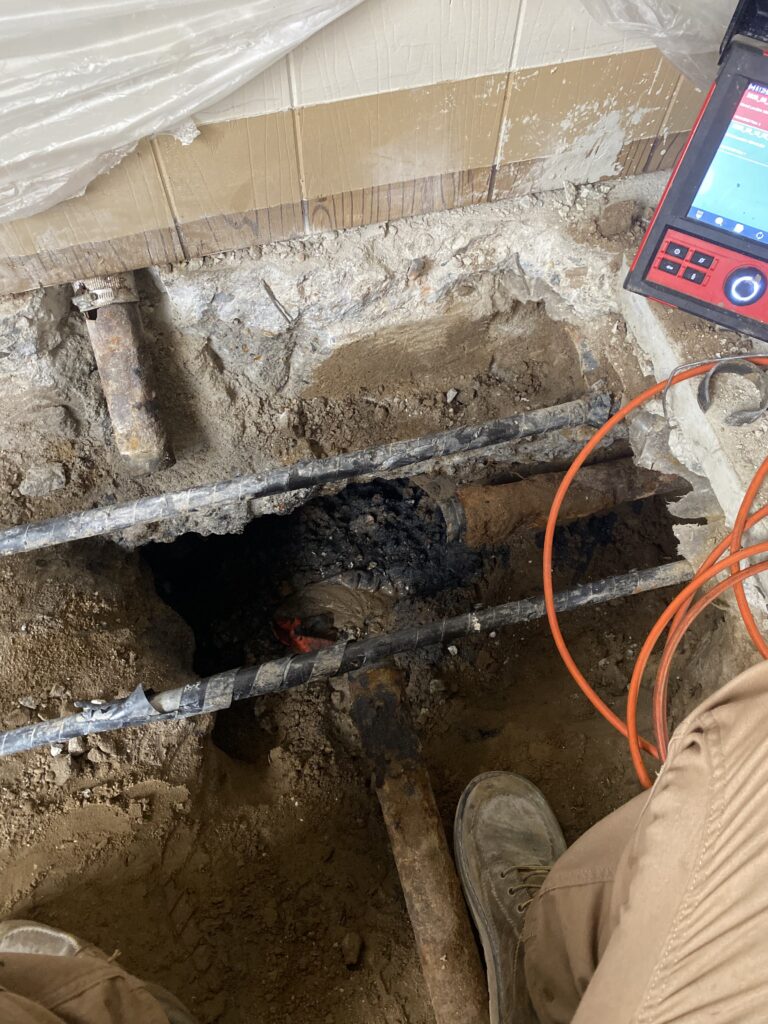
When sewer lines break, crack, or collapse, old repair methods require tearing up your entire yard. I've watched homeowners cry when contractors told them they'd have to destroy their beautiful landscaping, dig up their new driveway, or jackhammer through their basement floor.
Sewer Heroes Inc. offers sewer pipe lining repair—a modern method that fixes damaged sewer lines from the inside, without digging. We're licensed plumbers who've lined hundreds of pipes under driveways, gardens, pool decks, and house foundations. Our team uses HD cameras to find all the damage, then applies a lining solution that makes your pipe stronger than new and lasts 50+ years.
What Is Sewer Pipe Lining Repair?
get the facts
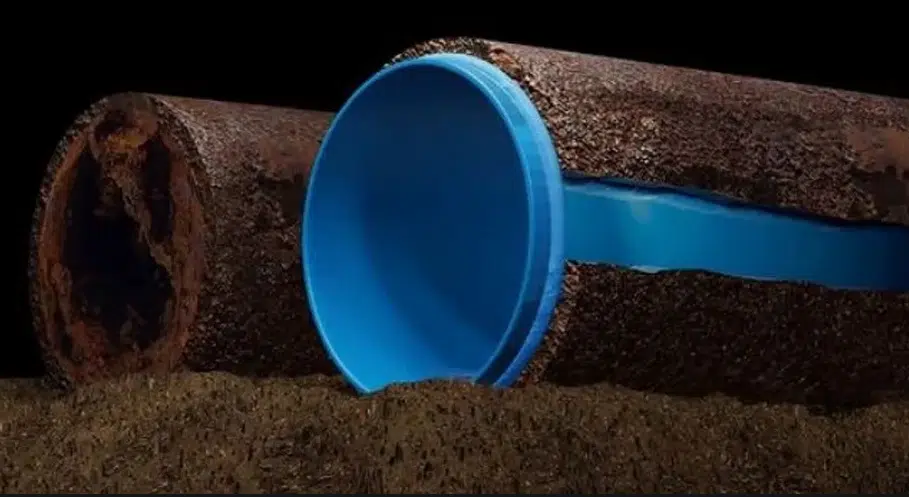
Sewer pipe lining—also called trenchless rehabilitation or CIPP lining—is a method that fixes damaged pipes without digging. Think of it like getting a cast on a broken arm, except the cast goes inside your pipe and becomes a permanent new pipe.
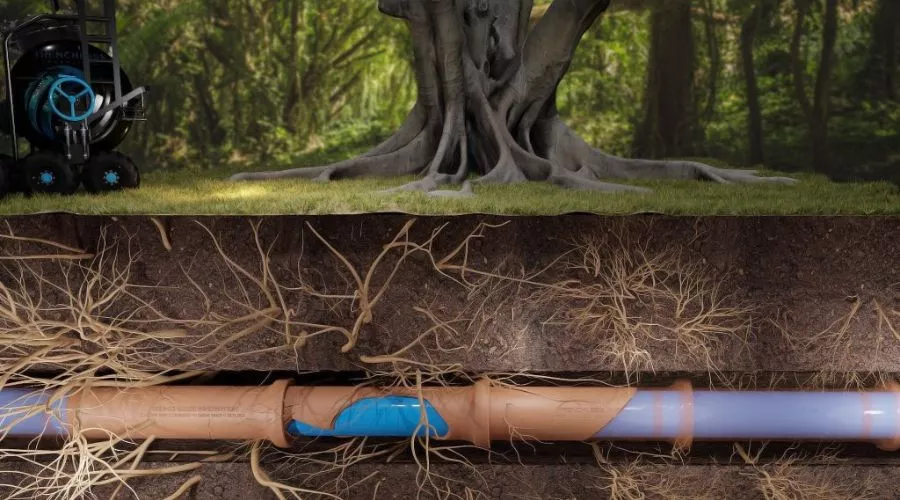
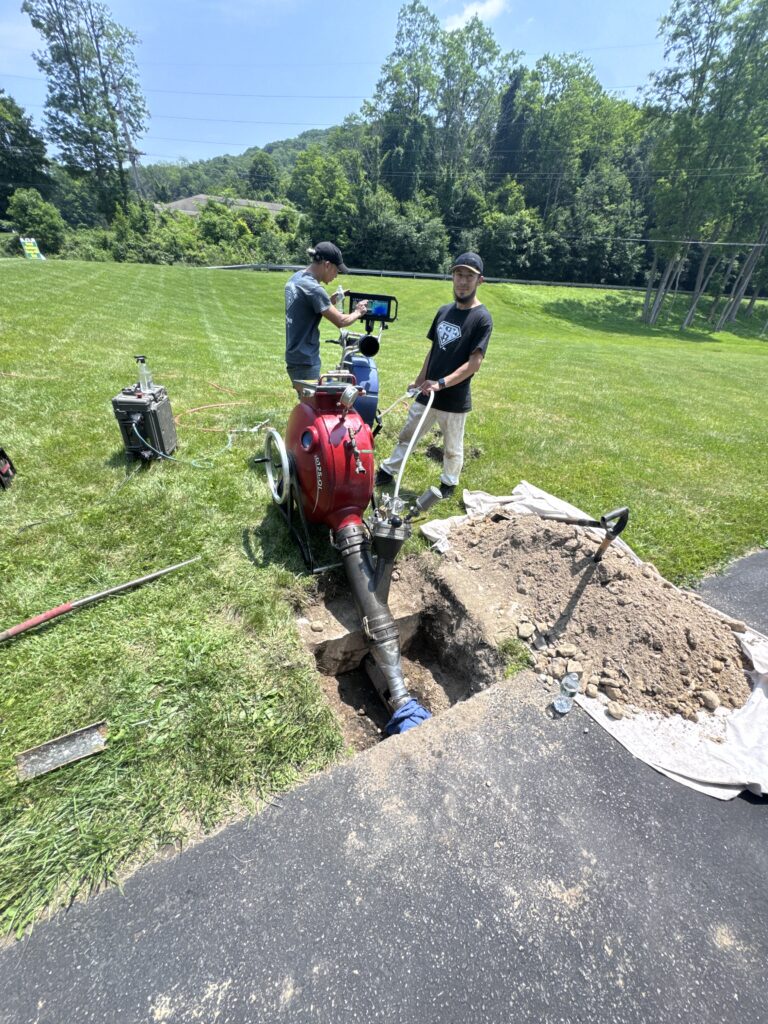
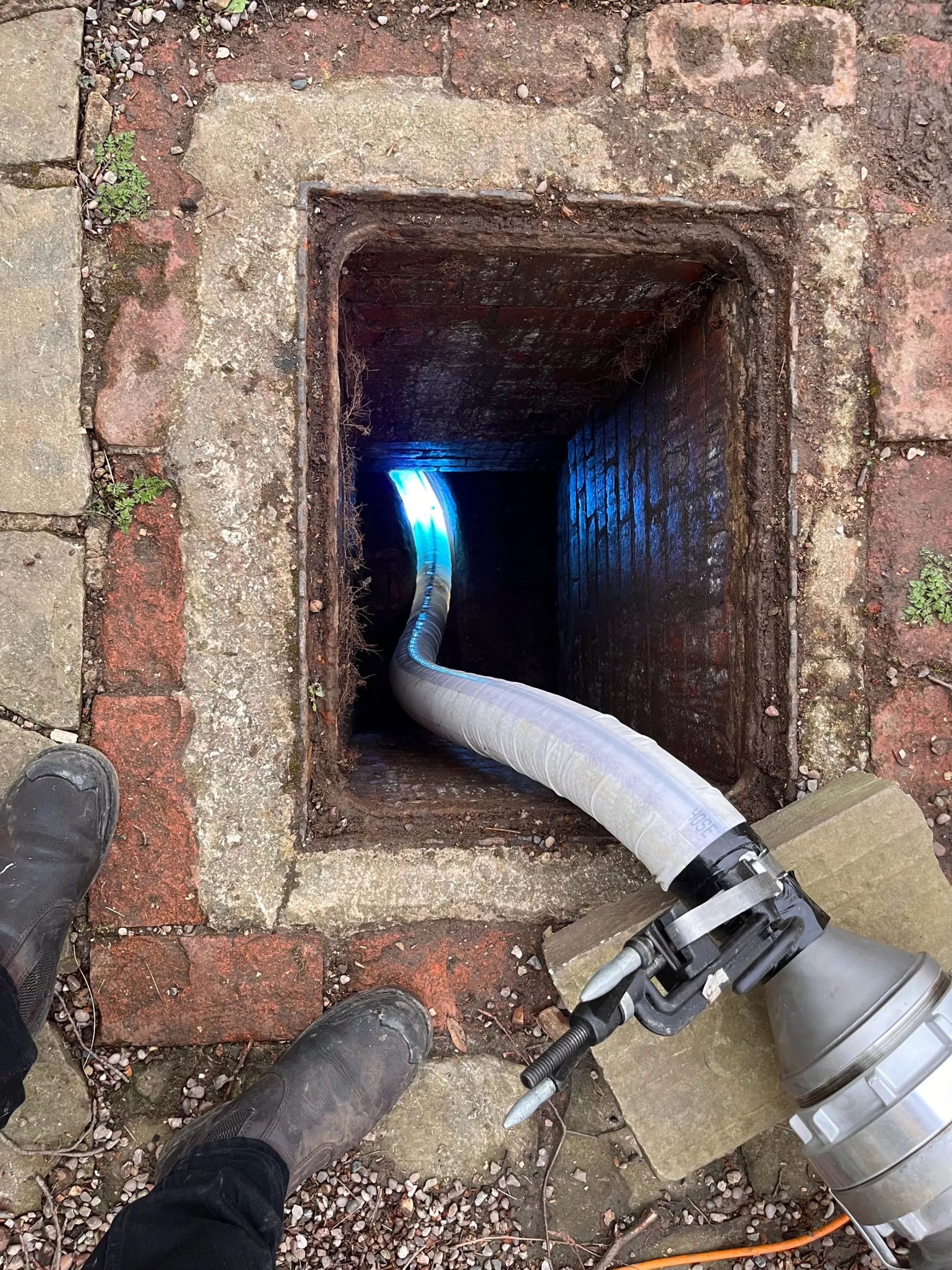
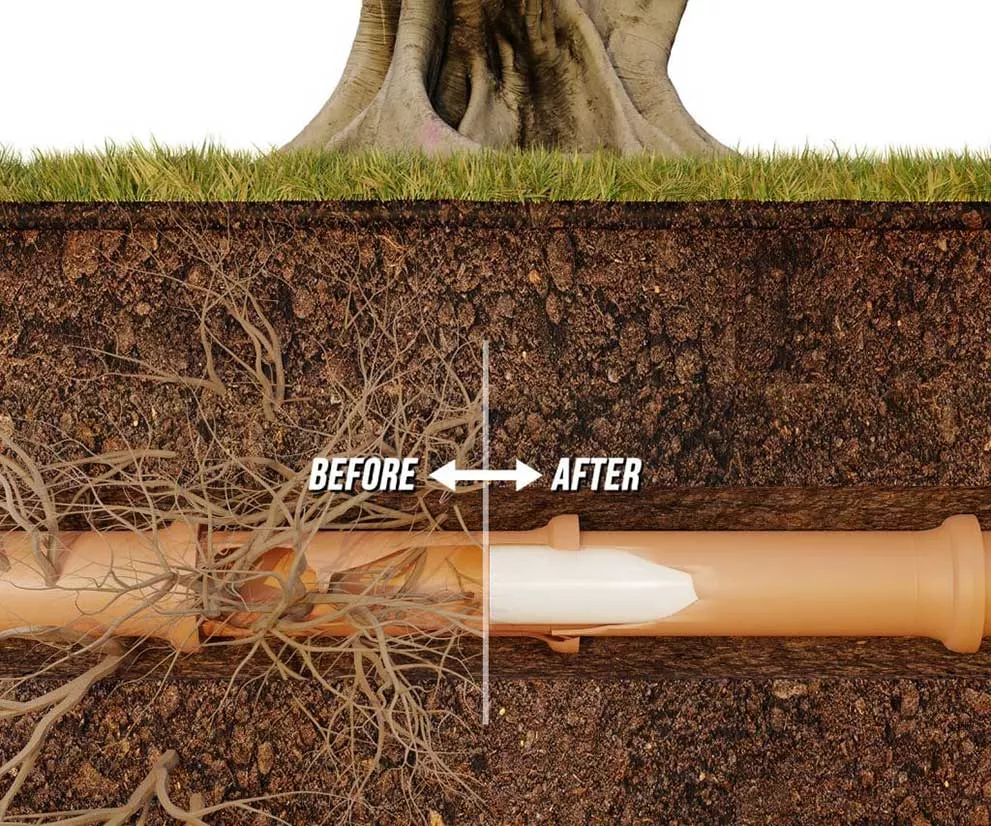
Here’s how it works: We insert a flexible liner soaked in special epoxy resin inside your existing pipe. We position it exactly where it needs to go, then inflate it like a balloon so it presses against the inside walls of your old pipe. Then we cure it with hot water, steam, or UV light until it hardens into a solid new pipe inside your old one.
I’ve watched this process hundreds of times, and it still amazes me. The liner goes in soft and flexible, and four to six hours later, it’s rock-solid. When we pull out the inflation bladder and run our camera through, the pipe looks brand new inside—smooth, seamless, no joints or weak spots.
Pipe lining is perfect for:
- Cracked or broken sewer pipes (even multiple cracks)
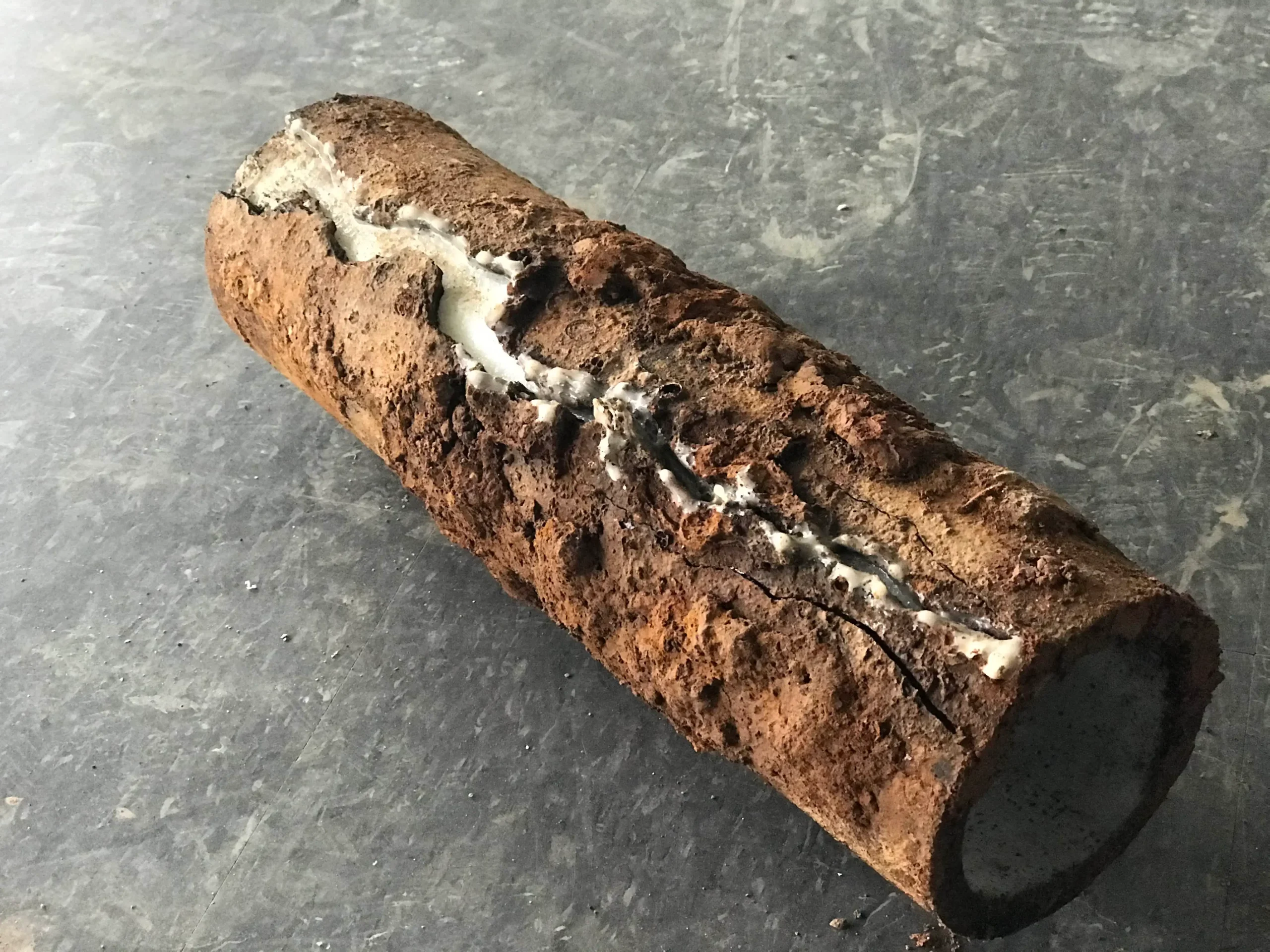
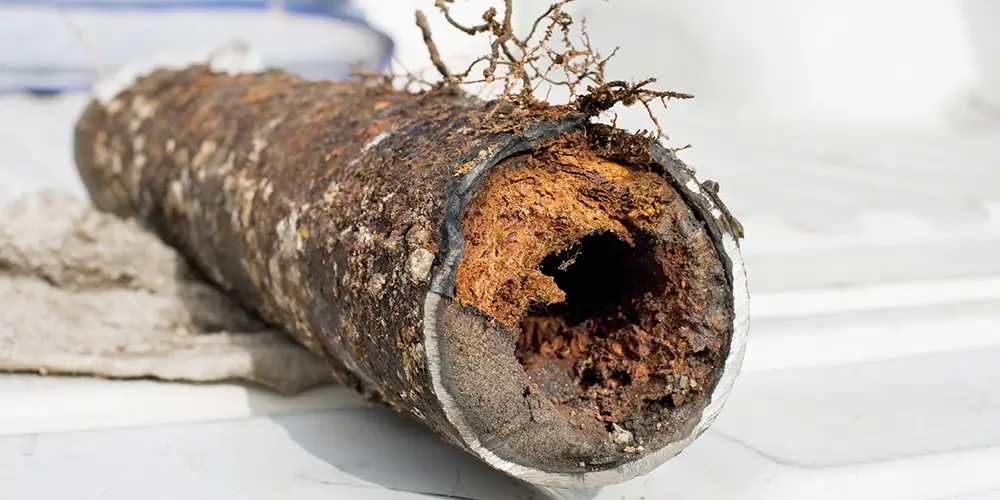
- Rusty or weak pipe walls that are falling apart
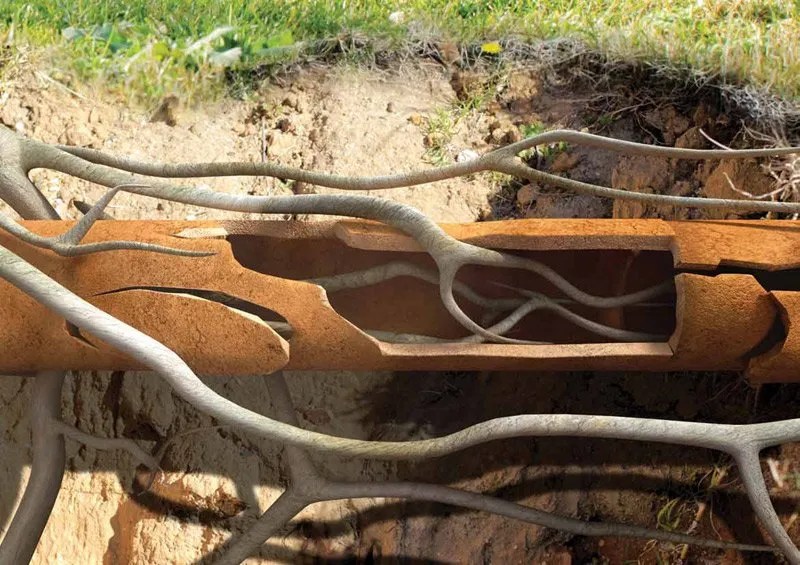
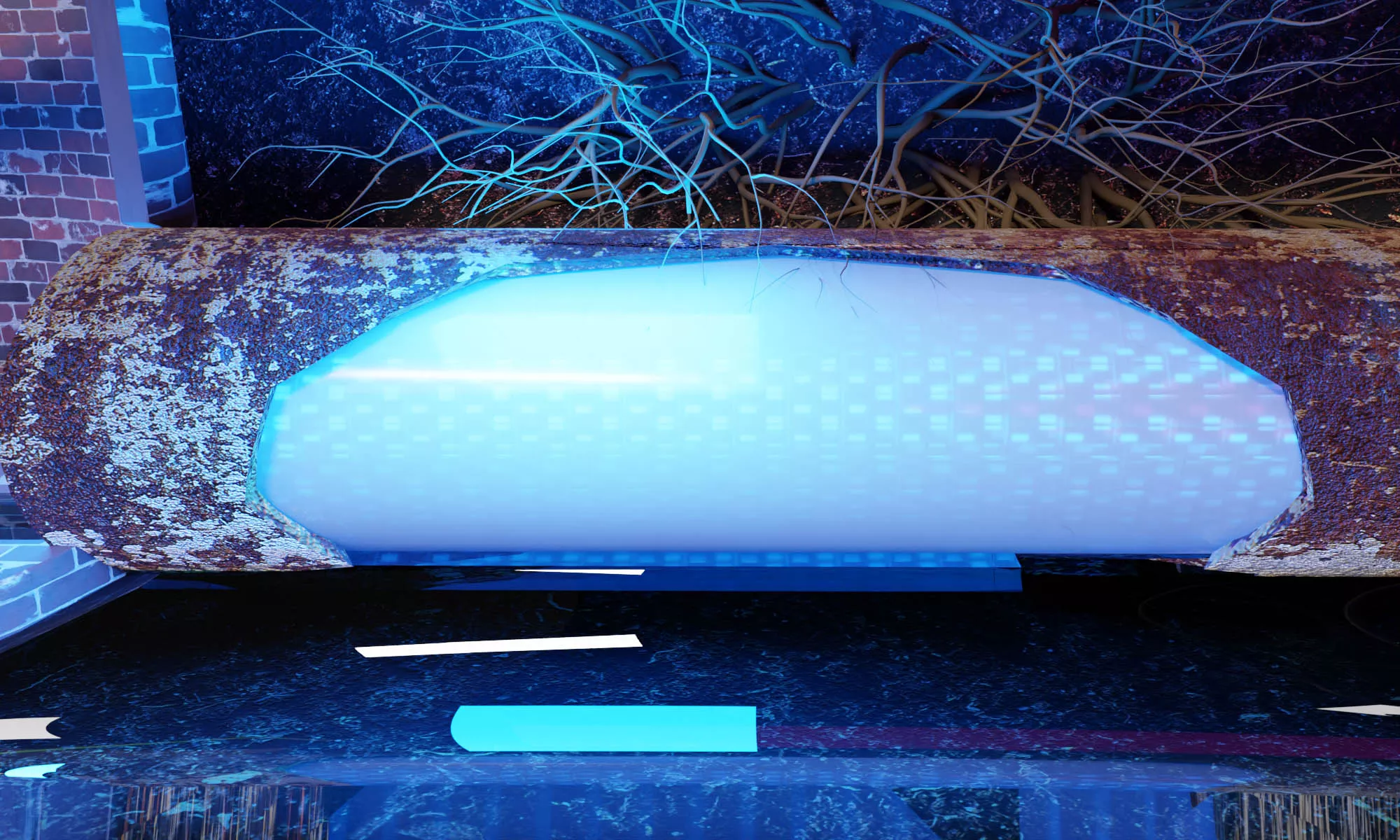
- Pipes with tree roots growing inside
- Joints that have separated or shifted out of line
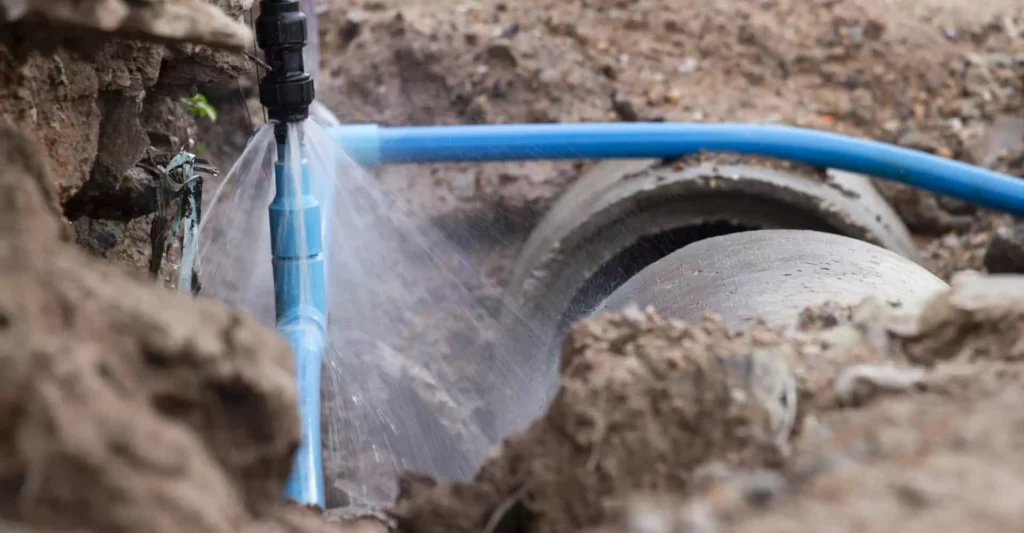
- Leaking sewer pipes
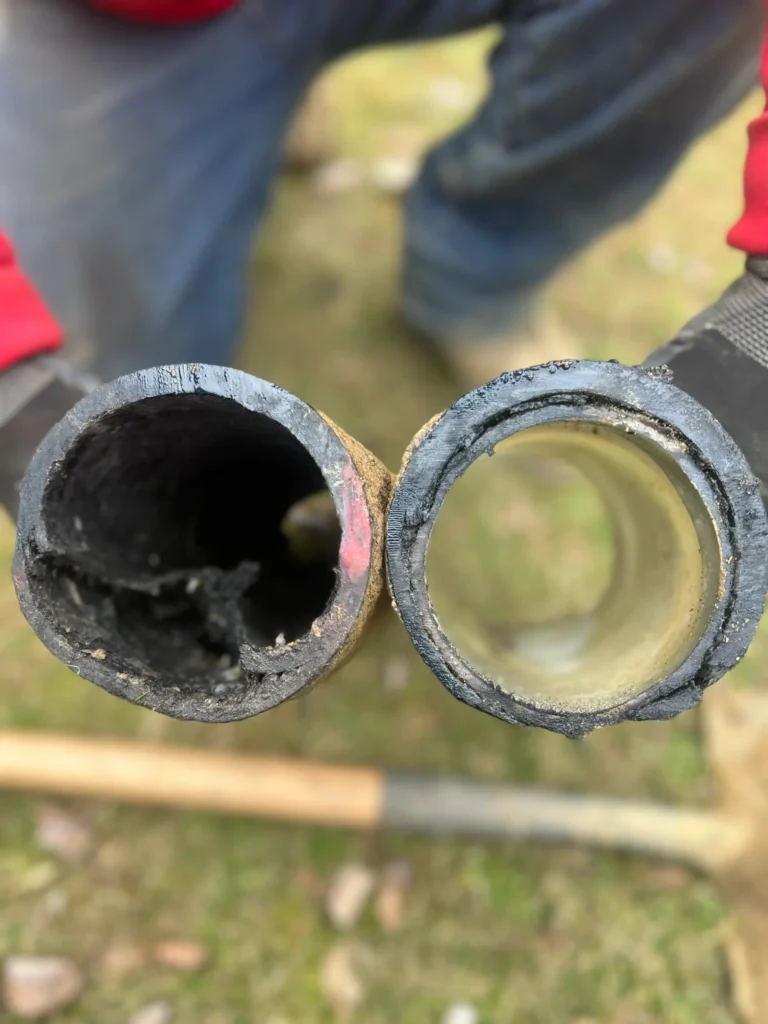
- Pipes with dirt, mineral scale, or buildup
- Old pipes made of cast iron, clay, concrete, or PVC
Once the liner hardens, the new inside pipe is actually stronger than new PVC. It’s smooth, so nothing catches on it. It’s completely seamless, so roots can’t get in. And it’s resistant to rust, chemicals, and root intrusion. Most come with 50-year warranties, which means your grandkids probably won’t ever need to fix that pipe.
Signs Your Sewer Pipes Need Lining Repair
When to call
Call TodaySewage backups or drainage problems that happen a lot
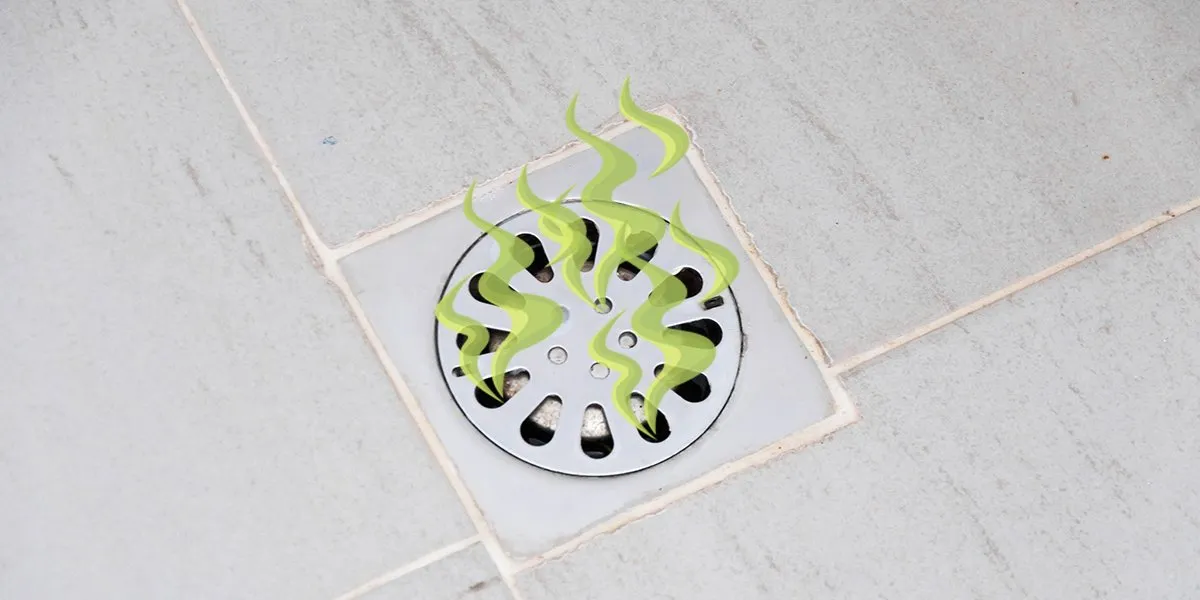
Bad smells from drains or outside areas that won't go away no matter what you try
Gurgling sounds in sinks, tubs, or toilets when you use water
Rust or cracks found during camera inspection
Slow drainage throughout your home or building
Old pipes (50+ years) breaking down from age
Pipe damage after removing tree roots
Clogs or blockages that keep coming back even after professional cleaning
Why Choose Sewer Heroes Inc. for Pipe Lining Repair
why trust sewer heroes
We've been doing this for years. We've lined pipes in every imaginable situation—under swimming pools, beneath house additions, running through crawl spaces barely two feet high, under driveways with heavy traffic. We know how to handle curves, offsets, and challenging installations. We have the right equipment, proper training, and enough experience to handle complications that arise.
Our pipe lining services make your plumbing system stronger, stop ongoing problems, and prevent costly future repairs. Whether you have a single home, commercial building, rental property, or apartment building, our solutions offer long-term protection you can count on.
Accurate Diagnostics With HD Camera Technology
Accuracy
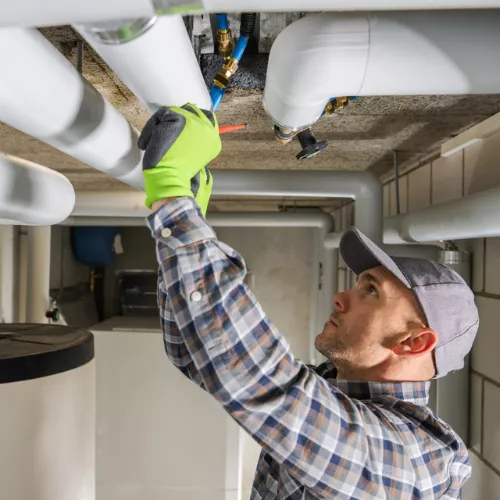
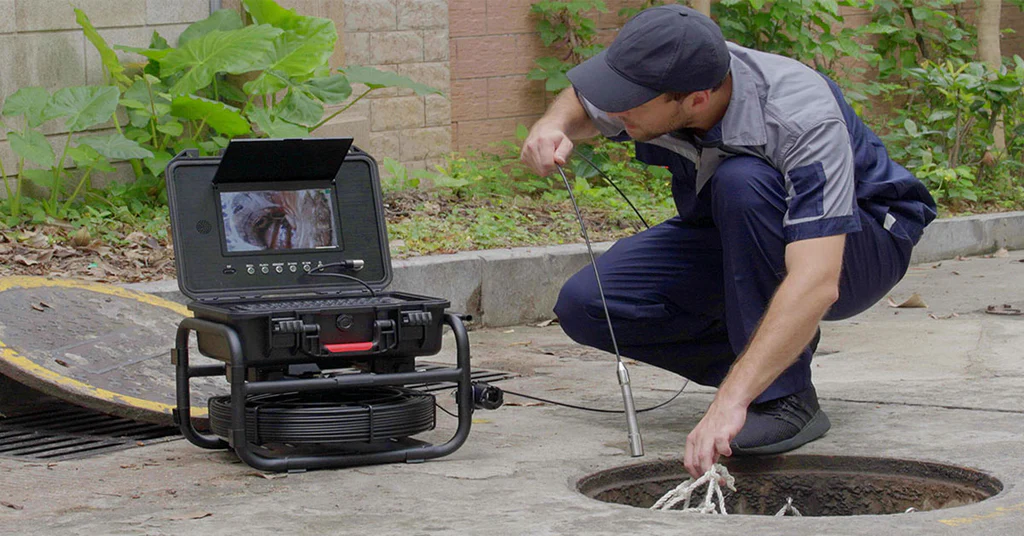
Before we do any lining, our technicians use high-definition cameras to inspect every inch of your pipe. We record the entire inspection so you can watch it with us. We point out every crack, every root intrusion, every weak spot. This tells us exactly how much liner we need, where problem areas are, and whether lining is even the right solution.
Sometimes the camera shows that lining won't work—maybe the pipe is completely collapsed flat, or there's a major offset we can't line through. When that happens, we tell you honestly. I've turned down lining jobs when I knew they wouldn't work right. It's not worth taking your money for a repair that might fail. Better to be honest upfront and recommend the right solution, even if it's not the one you hoped for.Give us a Call
Trenchless Methods That Protect Your Property
technology
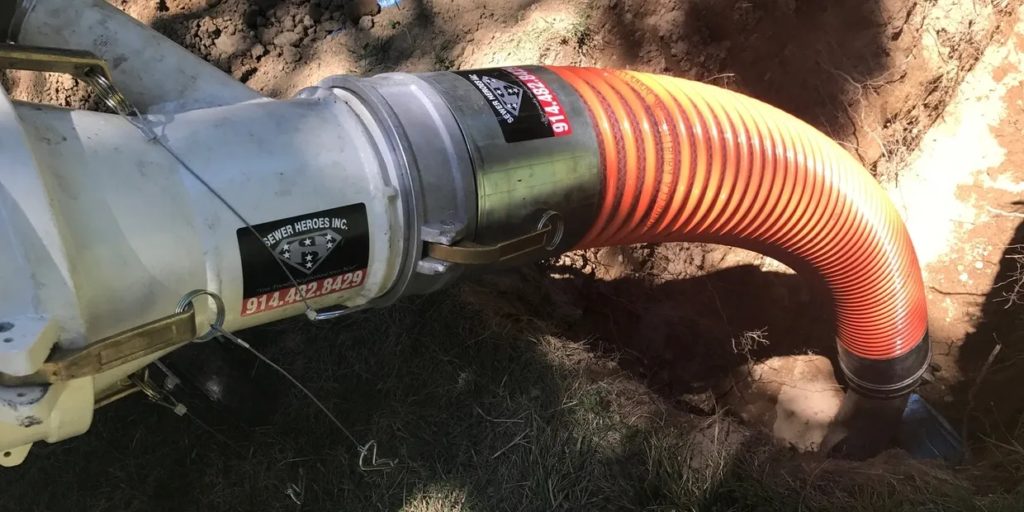
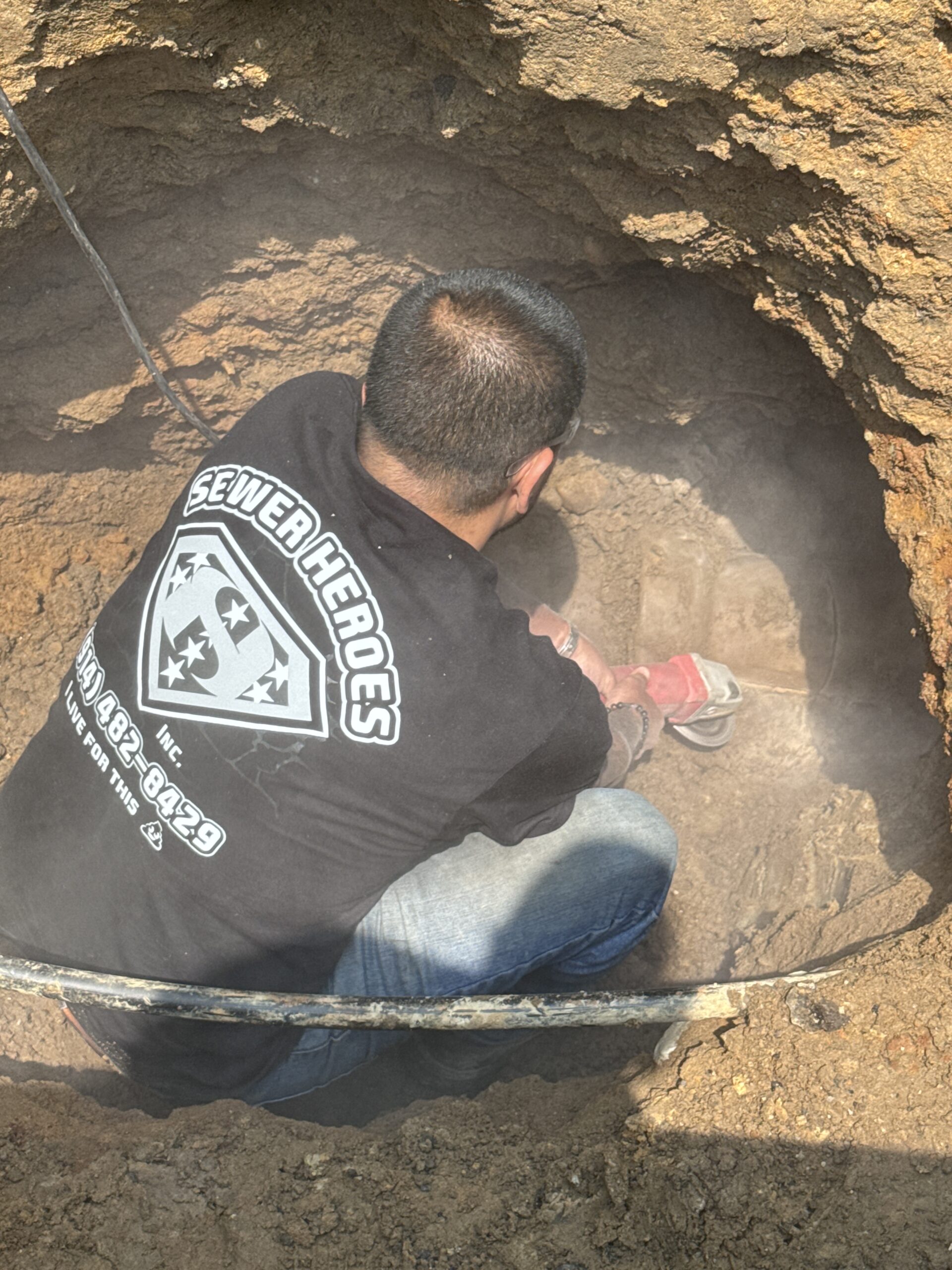
Pipe lining eliminates the need for big trenches or tearing things apart. We typically need two small access points—maybe three feet by three feet—and that's it. Everything else stays untouched. Your landscaping, floors, pavement, and structures remain intact.
I remember a job where the sewer line ran under a customer's backyard koi pond with a custom waterfall feature. Traditional excavation would've meant draining the pond, removing all the fish, tearing out the waterfall, excavating, and then rebuilding everything. The pond alone had cost $25,000 to build. We accessed the line from the house cleanout and a small hole at the property line. The pond was never touched. The fish never knew we were there.Schedule Service
Structural Reinforcement for Long-Term Reliability
Reliable
Once the liner hardens, it forms a solid, seamless pipe that makes everything work right, improves flow, and resists future damage. The liner actually bonds to the existing pipe in some spots, creating a composite structure that's stronger than either material alone.
I've gone back to inspect lined pipes five, eight, even twelve years after installation. They still look perfect inside—smooth, clean, no deterioration. The customers report zero problems. That's the kind of reliability that makes this job satisfying. You fix something once and it stays fixed.Call Us Today
Experiencing recurring sewer issues or pipe damage?
Don't wait, call today
Restore your lines with modern trenchless pipe lining.
Request a professional inspection today.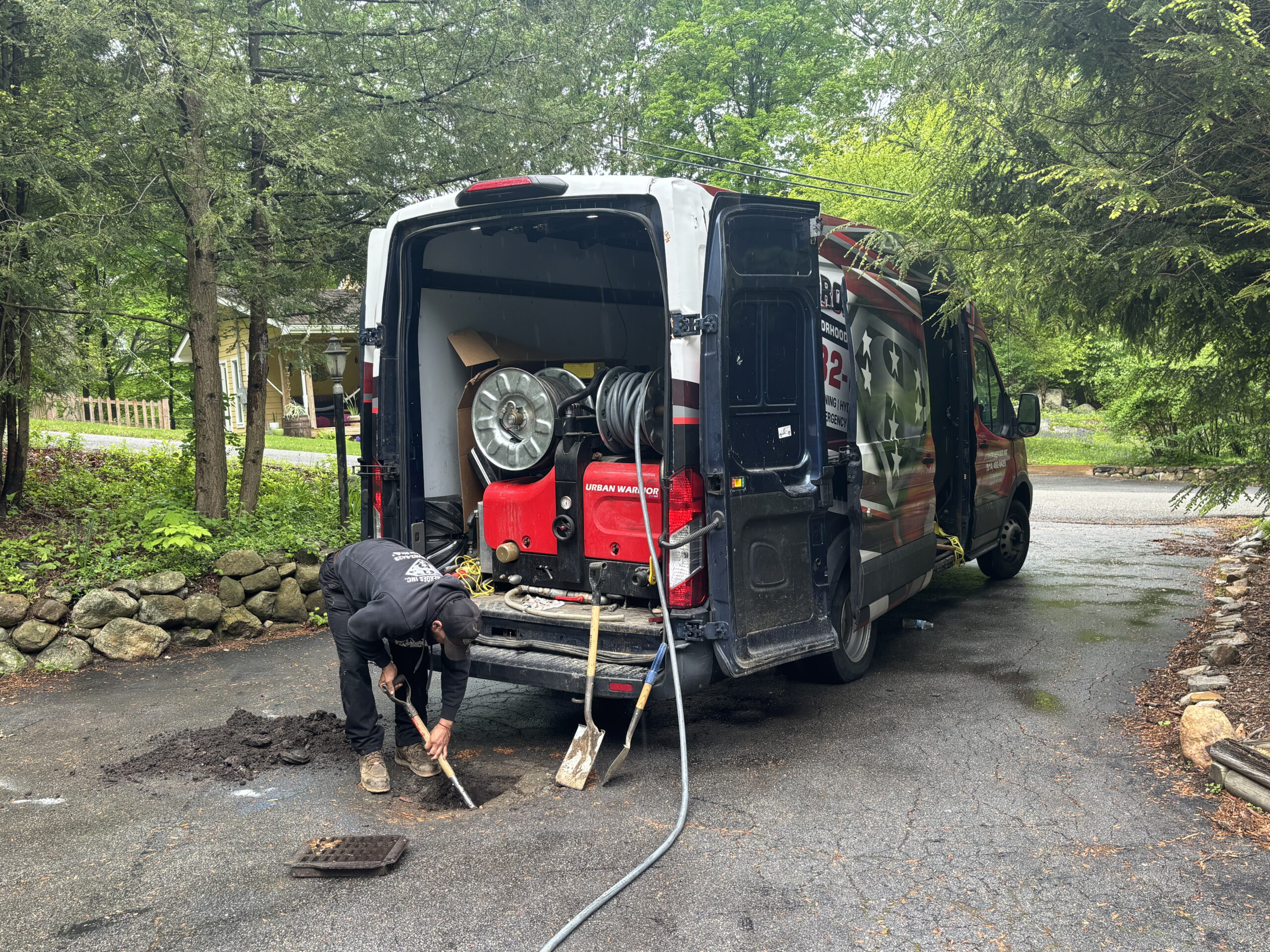

How Sewer Pipe Lining Repair Works
how it works
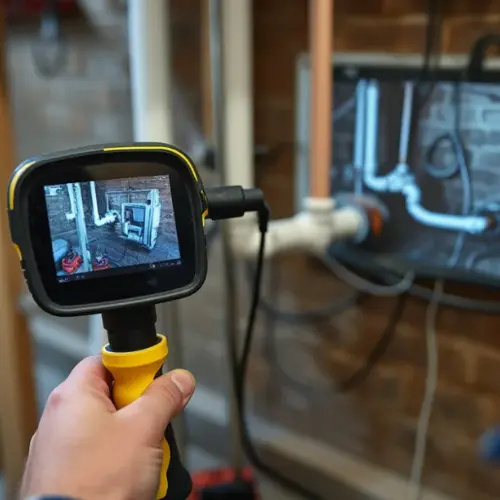
We start with a detailed video inspection to find every crack, blockage, rust spot, and weak area in your pipe. This takes 30-60 minutes depending on your line length. We measure everything precisely—pipe diameter, length, exact locations of damage. This information determines our liner specifications.
Sewer Camera Inspection
We start with a detailed video inspection to find every crack, blockage, rust spot, and weak area in your pipe. This takes 30-60 minutes depending on your line length. We measure everything precisely—pipe diameter, length, exact locations of damage. This information determines our liner specifications.
Cleaning & Preparation
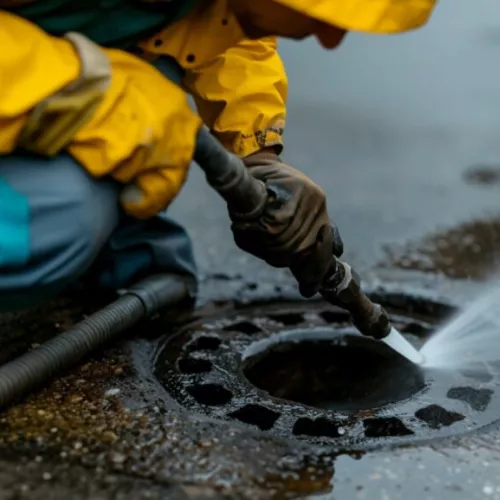
Before lining, the pipe interior must be completely clean. We use hydro jetting or mechanical cleaning to remove all debris, roots, scale, and buildup. The liner needs clean pipe walls to adhere properly and cure correctly.This step is critical. I've seen failed linings where contractors skipped proper cleaning. The liner didn't bond right, wrinkles formed, and it failed within months. We never skip this step, even when it adds time to the project. Doing it right matters more than doing it fast.Installation of Liner
We insert the epoxy-saturated liner into your pipe using special equipment. For longer runs, we might pull it through with a cable. For shorter sections, we can push it in place. We position it precisely using our camera to verify placement. Then we inflate it with air or water pressure so it presses firmly against the old pipe walls.The inflation pressure must be just right—too little and you get wrinkles, too much and you risk blowing out weak spots in the old pipe. This is where experience matters. We've dialed in our pressures perfectly through hundreds of installations.
Curing & Hardening
We cure the liner using hot water, steam, or UV light depending on the installation specifics. Hot water or steam curing typically takes 3-6 hours depending on pipe diameter and length. UV curing is faster but requires different equipment and works better for certain situations.During curing, the epoxy resin undergoes a chemical reaction that turns it from soft and flexible to rock-hard. The temperature and time must be controlled precisely. Too little heat or time and it won't cure properly. We monitor everything carefully to ensure perfect results.
Final Inspection & Testing
After the liner cures and cools, we deflate and remove the inflation bladder. Then we run our camera through again to verify the installation. We're looking for a smooth, seamless finish with no wrinkles, bubbles, or imperfections. We test water flow to confirm everything drains properly.
We don't consider the job done until this final inspection is perfect. Sometimes we'll trim liner ends, grind out connections to lateral lines, or make small adjustments. The goal is a flawless installation that lasts decades.
Benefits of Sewer Pipe Lining Repair
Here's something most people don't consider: pipe lining actually improves your flow capacity. Old pipes have rough interiors from rust, scale, and deterioration. The smooth liner interior lets water flow much more efficiently. Several customers have told me their drains work better after lining than when the house was new.
Another benefit—you can usually keep using your plumbing during most of the process. We need you off the sewer for 4-8 hours during installation and curing, but that's it. Compare that to traditional excavation where you might be without plumbing for days while they dig, replace pipes, backfill, and restore surfaces.
Another benefit—you can usually keep using your plumbing during most of the process. We need you off the sewer for 4-8 hours during installation and curing, but that's it. Compare that to traditional excavation where you might be without plumbing for days while they dig, replace pipes, backfill, and restore surfaces.
benefits that last
- No digging, trenching, or major mess to your property
- Faster than excavation—most jobs done in one day
- Usually 30-50% less expensive than full excavation and replacement
- Creates a seamless, rust-resistant new pipe
- Stops tree roots from growing inside
- Improves flow (smooth interior means better drainage)
- Makes your system last 50+ years longer
- Works for homes, businesses, and industrial plumbing
- Safe for older or delicate plumbing systems
- Can often be used even while other household plumbing remains functional
- Increases property value
Frequently asked questions
After doing pipe lining for years, here's what I want homeowners to understand: this technology is genuinely life-changing for people with sewer problems. I've met customers who were planning to move rather than deal with excavating their yard. I've seen elderly homeowners who couldn't handle the stress and disruption of traditional sewer replacement. Pipe lining gave them solutions they could actually live with.
Also, understand that pipe lining isn't always the answer. If your pipe is completely collapsed, if there are major offsets or separations, if the damage is too severe—you might need traditional repair. Don't let anyone pressure you into lining if your pipe isn't a good candidate. Get that camera inspection first, see what you're really dealing with, then make an informed decision.
Sewer Heroes Inc. delivers advanced sewer pipe lining repair services that fix damaged plumbing systems with minimal disruption. Our licensed plumbing professionals use proven trenchless technology and top-quality materials to reinforce your sewer lines for 50+ years. Whether you're dealing with cracks, rust, root damage, or recurring sewer problems, our team provides honest assessments and lasting solutions. We treat your property with the care it deserves because that's simply how we work.
How long does pipe lining repair last?
Properly installed liners last 50+ years, often longer. We have customers with linings we installed fifteen years ago that still look perfect during follow-up inspections. The manufacturers warranty them for 50 years, but honestly, they’ll probably outlast that. The epoxy resin doesn’t rust, doesn’t corrode, and isn’t affected by most chemicals found in sewer systems.
Does trenchless pipe lining work for all pipe materials?
Yes—pipe lining works on cast iron, clay, PVC, concrete, Orangeburg, and many other materials. We’ve even successfully lined old fiber pipes and tar paper pipes. As long as the pipe has retained enough structure to hold its general shape, we can usually line it.
Can pipe lining fix collapsed sewer pipes?
It depends on the collapse severity. If the pipe is partially collapsed but still has some circular shape, we can often line it. If it’s completely flattened or separated into pieces with major offsets, excavation is usually necessary. The camera inspection tells us for certain.
I’d estimate about 80-85% of damaged pipes can be lined. The other 15-20% need traditional repair or replacement. We’re honest about which category your pipe falls into.
How does pipe lining compare to traditional pipe replacement?
Pipe lining is faster (usually one day versus several days), less invasive (minimal access points versus long trenches), often less expensive (30-50% savings), and provides similar long-term durability. The main advantage is protecting your property from excavation damage.
Traditional replacement might be necessary for completely collapsed pipes or in situations where we can’t access the line properly for lining. But when lining is an option, it’s almost always the better choice in my opinion.
Is pipe lining safe for older plumbing systems?
Absolutely. Trenchless lining is actually perfect for old pipes that can’t handle the stress of excavation. Digging around fragile 80-year-old pipes can cause additional breaks and problems. Lining from inside avoids all that stress.
Some of our best results have been on very old systems. Last year we lined a 95-year-old clay pipe that was cracking in multiple spots. The homeowner was terrified excavation would cause the whole thing to fall apart. Lining fixed it perfectly without any additional damage.