New York City winters are no joke. Plumbing systems face unique challenges during the coldest months, with temperatures often dropping below freezing. These extreme conditions can lead to frozen shower drains, clogged pipes, and water heater strain, leaving homeowners scrambling for solutions.
Understanding the causes and taking preventative measures can save you time, money, and stress when New York’s winter weather hits.
What Happens to Plumbing in the Winter
In New York, winter brings Arctic blasts and freezing winds that can cause temperatures to plummet rapidly, exposing homes and plumbing systems to harsh conditions.
For example, in January 2024, arctic conditions swept through NYC, leaving many residents with burst pipes and heating failures. Homes with poor insulation or older plumbing systems are at risk during these events. Without preparation, these extreme temperatures can wreak havoc on residential plumbing systems.
Here’s what causes the most common winter plumbing problems and how they happen.
Freezing Temperatures and Piping
One of the most common winter problems for homeowners is that drain pipes can freeze. Water expands as it freezes, creating excessive pressure inside the pipe. This pressure can cause cracks or even cause water pipes to sometimes burst in the winter, leading to costly damage. Pipes in unheated areas like basements, garages, and crawl spaces are the most vulnerable to freezing temperatures.
Signs of frozen pipes include:
- Poor water flow. If you have no water or only a weak stream from the faucets, it could mean a blockage caused by ice buildup.
- Unusual smells. Unpleasant odors wafting from drains may indicate ice blockages disrupting the normal flow of wastewater, leading to backups.
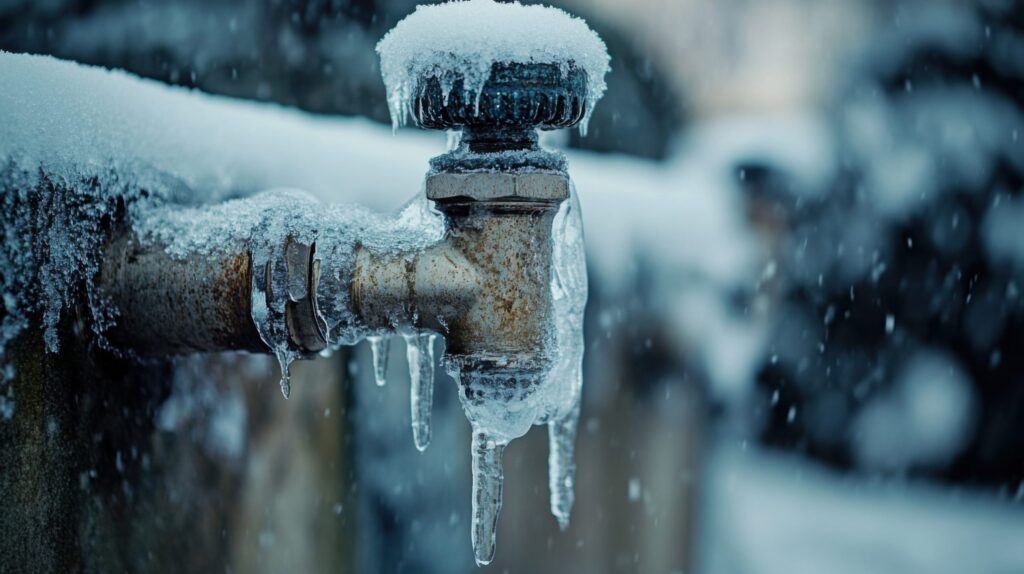
- Frost outside the pipes. If you notice frost forming on exposed pipes, it is a visual sign that the pipe is freezing or frozen.
- Strange sounds. Gurgling noises or rattling in the plumbing system often signal ice buildup restricting water flow.
Straining Water Heater
Hot water not working in cold weather is common in NYC winters. The subzero temperatures put additional strain on water heaters. Because the water entering the system is colder, your heater has to work harder to maintain a consistent hot water temperature. Over time, this added effort can increase wear and tear, leading to malfunctions or breakdowns.
Symptoms of a struggling water heater in winter:
- Lukewarm water instead of hot. A drop in water temperature may mean sediment buildup inside the tank, which reduces efficiency and heating capacity.
- Noises coming from the heater. Popping, cracking, or rumbling sounds often show sediment buildup at the bottom of the tank, which can worsen during winter as the heater works harder to function.
- Longer recovery time. If your heater takes longer to heat water between uses, it’s likely overworked.
Blockages in Sewer Lines
Even sewer lines are not immune to winter’s chill. Grime, grease, and debris in your sewer lines can harden in freezing temperatures, leading to blockages. Ice can also build up inside unused sewer lines, exacerbating the problem.
If you experience any of the following issues when the weather cools down, you may have blocked sewer lines:
- Drain blockages. Cold weather can clog drains due to grease, soap scum, and other debris solidifying inside. When hot water from your home cools too quickly in freezing pipes, the oils and fats in wastewater harden and stick to pipe walls. These substances can be difficult to clear without professional help.
- Toilet clogs. If the water supply line freezes, frozen pipes can clog toilets; the tank won’t refill after flushing, making the toilet unusable. Ice buildup in drain pipes can also block wastewater flow, causing toilets to back up.
Radiator and Steam Heat Issues
Inconsistent heating is a persistent challenge in NYC’s pre-war buildings during winter. Steam heating systems, which serve roughly 80% of the city’s multi-family buildings, can struggle to distribute heat evenly throughout buildings. Because these systems were designed in the late 1880s, they often lack modern controls and rely on pressure-based distribution, leading to common heating problems.
Symptoms of problematic steam heat systems:
- Uneven heating between rooms. When steam traps or valves fail, some radiators may get too hot while others remain cold, creating uncomfortable temperature variations throughout the apartment.
- Loud banging or hissing noises. These sounds typically indicate steam hammer or trapped air in the pipes, a common issue when condensate isn’t properly draining back to the boiler.
- Leaking or stuck radiator valves. Mineral buildup and decades of use can cause valves to leak or become impossible to adjust, preventing proper temperature control in individual rooms.
What You Can Do to Protect Your Plumbing System
While NYC winters are harsh, you can take steps to protect your plumbing. Preventative maintenance and proper care can help avoid frozen pipes, clogged drains, and costly repairs.
Water Heater Maintenance and Tune-Ups
Regular maintenance makes sure your water heater runs efficiently all winter long. Schedule a professional tune-up to check for leaks or sediment buildup, adjust the thermostat to meet winter demands, and inspect the heating elements for wear and tear.
Turning Off and Draining Outdoor Faucets
Outdoor faucets and hoses are more susceptible to freezing than indoor fixtures. Water left inside these pipes can freeze overnight or during extreme temperature drops.
To prevent this, turn off the water supply to outdoor faucets, drain any remaining water, and disconnect and store hoses indoors. If you have outdoor pipes that you need to use throughout the winter, consider investing in pipe insulation.
Checking and Addressing Leaks
Small leaks can escalate into major winter problems. Even a minor drip can freeze, causing blockages or pipe damage. Regularly inspect your plumbing for leaky faucets, dripping pipes, or water stains on walls or ceilings. Address any leaks immediately to prevent larger, more expensive repairs later.
Extra Piping Insulation
Adding insulation to vulnerable pipes can reduce freezing risks. Focus on pipes in unheated areas like basements, attics, and crawl spaces. Use materials such as foam pipe sleeves or heat tape. Proper insulation helps keep pipes warm and functional, even during extreme cold spells.
Clear Outdoor Drains and Gutters
Regular gutter and drain maintenance before winter prevents ice dams, water damage, and flooding. Clear gutters of leaves and debris using gloved hands or a scoop tool, then flush with water to test flow. Install mesh guards to minimize future buildup. Inside your home, pour boiling water and baking soda mixture down drains monthly to dissolve grease and prevent trapped water from freezing.
Keep Water Flowing
During severe NYC cold snaps, prevent frozen pipes by keeping a pencil-thin stream of water flowing from hot and cold faucets, especially those on exterior walls. The constant movement prevents water from freezing and expanding.
Radiator Maintenance
Before winter hits, bleed radiators to remove trapped air by opening the bleed valve until water appears, ensuring efficient heat distribution. Check steam valves for hissing or leaking, and ensure they’re either fully open or closed. Clean radiator surfaces and maintain clearance around units for proper heat circulation.
Schedule Professional Plumbing Inspections
Don’t wait for a pipe to freeze or burst – having a professional plumber check your home’s plumbing before winter can save you from middle-of-the-night emergencies. While you can handle basic maintenance, a professional’s trained eye can spot early warning signs and fix potential problems before the first deep freeze hits.
Here’s why you should consider it:
- Detect hidden leaks. Professionals use tools like thermal imaging to locate small, hidden leaks. Catching these early prevents major water damage and costly repairs.
- Inspect and repair water heaters. Plumbers check for sediment buildup, faulty thermostats, or worn-out heating elements. They can optimize your water heater to handle the additional strain of winter demands.
- Protect vulnerable pipes. Experts provide tailored advice and insulation solutions for pipes in basements, attics, and garages. They might also recommend heat tape or other tools to prevent frozen pipes.
- Unclog sewer lines and drains. Professionals safely clear sewer lines and drains, removing hardened grease and ice that may cause winter blockages.
- Identify weak points in your plumbing system. A thorough inspection helps catch hidden problems, like outdated pipes or insufficient insulation, so you can address issues before they worsen.
Protect Your Plumbing This Winter
NYC winters can be brutal, but with the right precautions, you can keep your winter plumbing and heating system running properly. From insulating pipes to maintaining your water heater, simple steps go a long way in preventing common winter plumbing problems.
Frozen pipes, clogged drains, and water heater strain are avoidable with proper care and regular inspections. Stay warm, stay prepared, and enjoy a hassle-free winter season.