
Available 24/7
Sewer Camera Inspection Services — Accurate, Non-Invasive Plumbing Diagnostics
Plumbing problems aren't always easy to see. I've met homeowners who spent thousands of dollars on repairs that didn't work because plumbers were just guessing at what was wrong. One customer had three different companies dig holes in his yard looking for a sewer problem—each one dug in a different spot, and none of them found it. By the time he called us, his yard looked like a war zone and he'd wasted over $8,000.
We found the real problem in 45 minutes with a camera inspection. It was a collapsed section 15 feet from where everyone had been digging. If the first plumber had used a camera, this customer would've saved $7,000 and his landscaping.
Hidden underground, behind walls, or deep in your drain system, problems like cracks, rust, blockages, and tree roots can mess up your entire plumbing system without warning. Sewer Heroes Inc. provides sewer camera inspection services that show the exact condition of your pipes—without digging or invasive testing. Using high-definition video technology, our inspections find weak spots, identify problems starting to develop, and eliminate guesswork so you get the right repair solution the first time.
For homeowners, businesses, and property managers looking for trusted plumbing services, sewer camera inspection is the most important first step. Here's why it's absolutely essential.
What Is a Sewer Camera Inspection?
get the facts
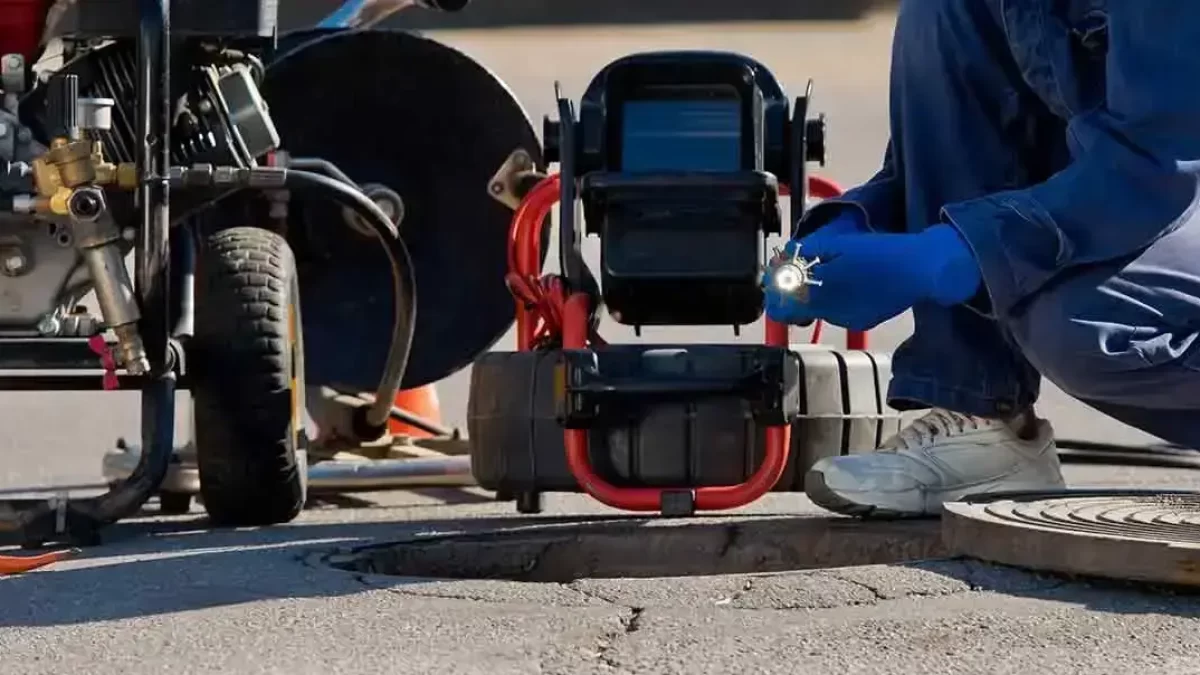
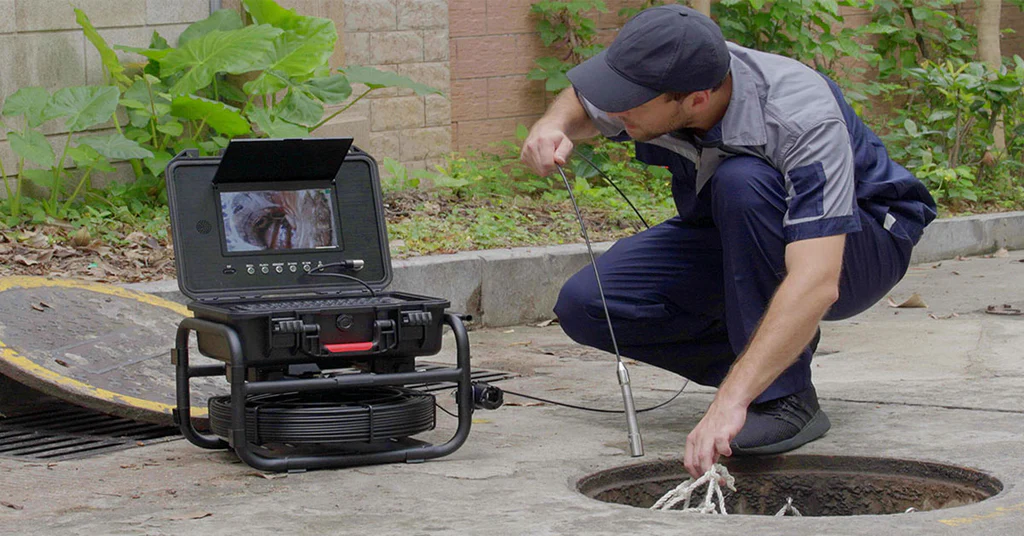
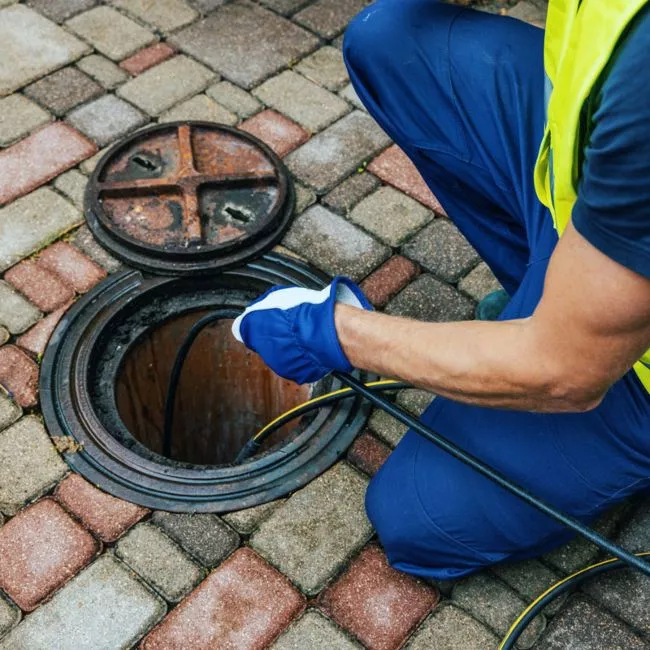
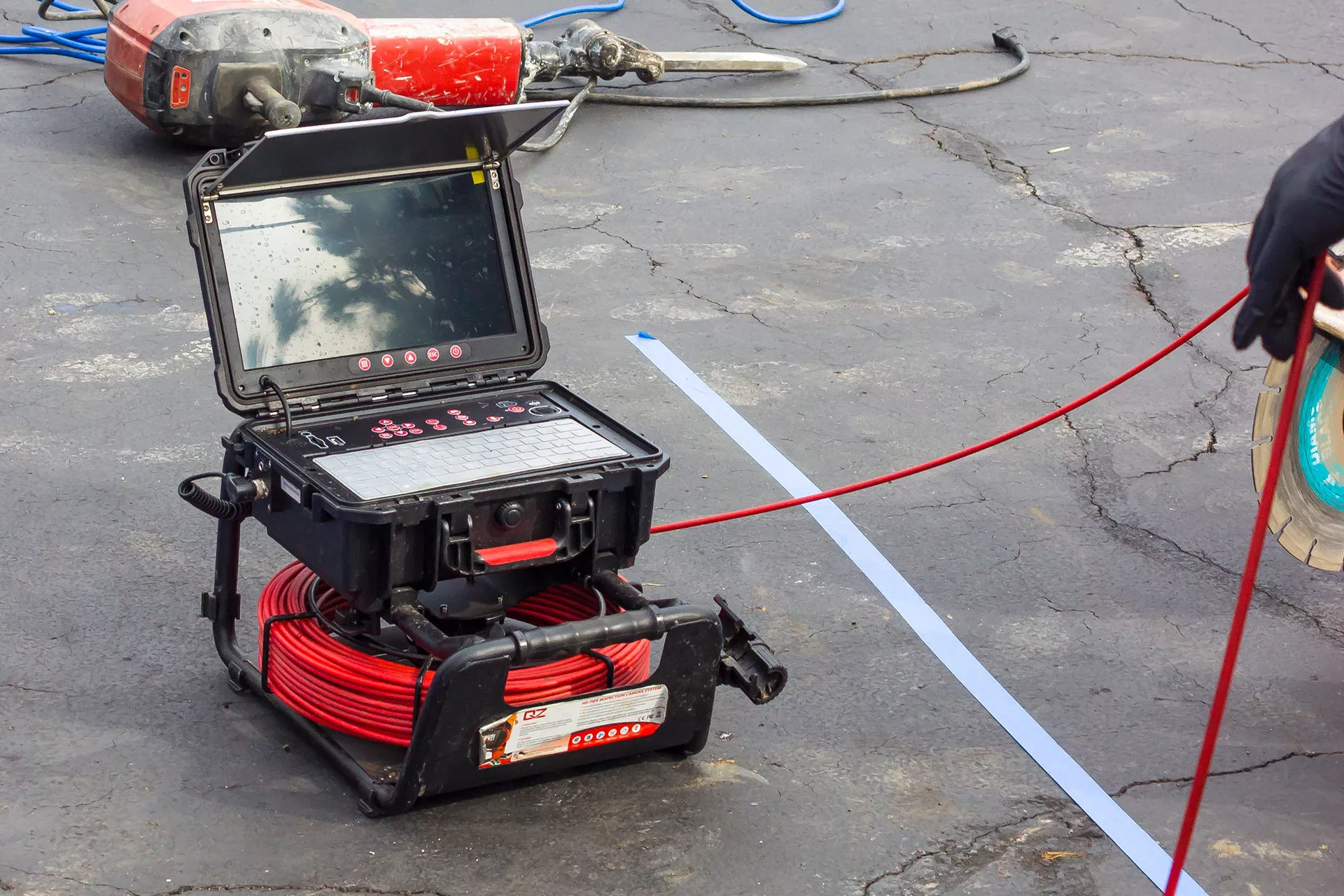
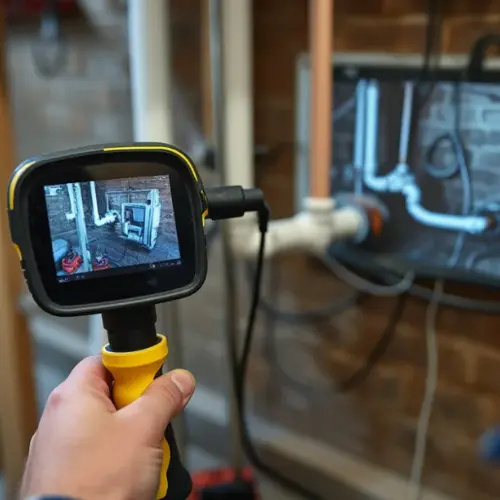
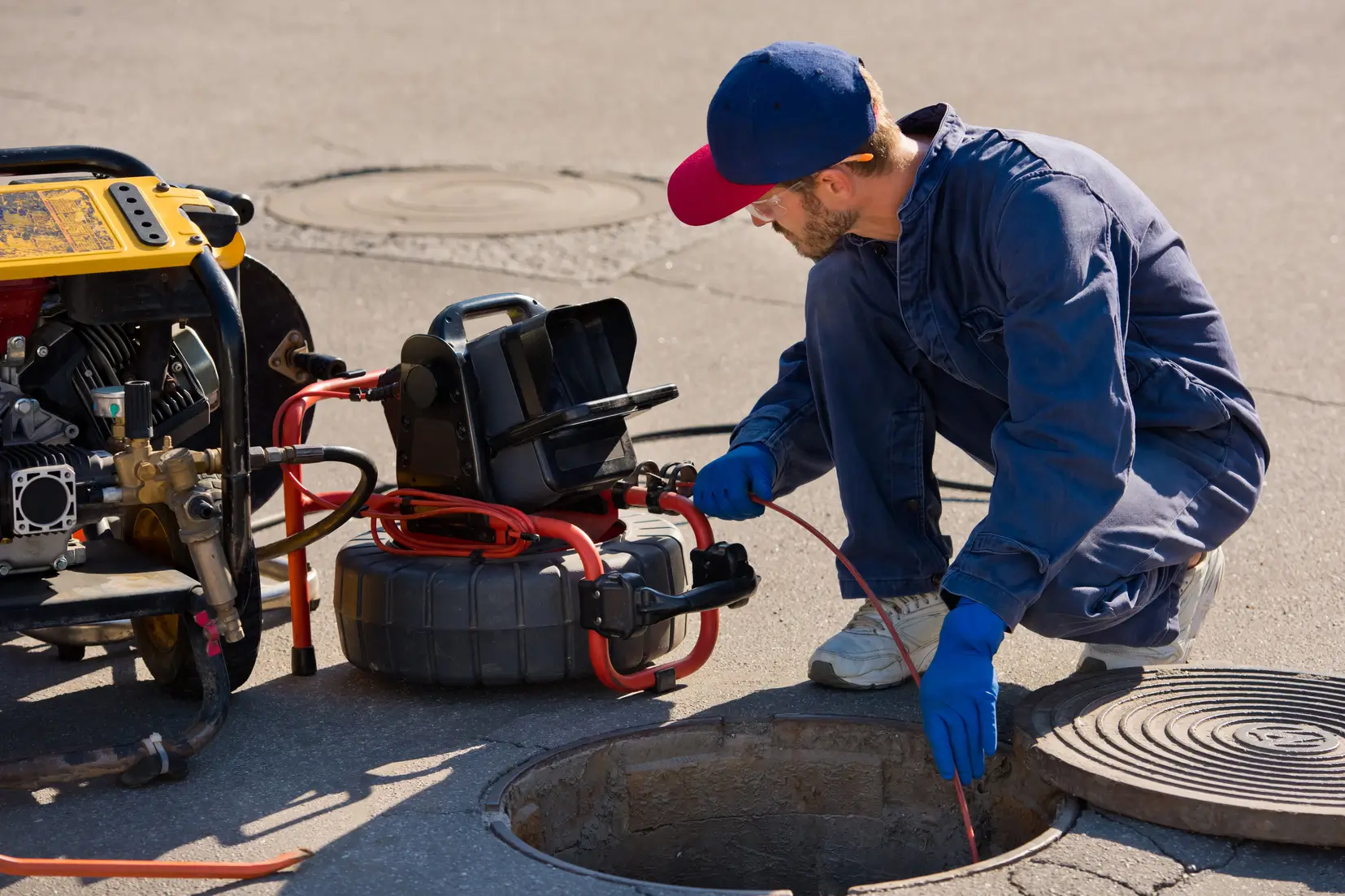
A sewer camera inspection uses a waterproof, high-definition camera attached to a flexible cable that goes through your underground plumbing system. Think of it like a tiny robot with a camera exploring inside your pipes and sending back video of everything it sees.
I’ve done thousands of these inspections, and they still fascinate me. You can see inside pipes that have been underground for 50, 70, even 100 years. Sometimes what we find is exactly what we expected. Other times, we discover things nobody could’ve guessed—like the time we found a large concrete block that had fallen into a sewer line during construction in 1967. The homeowner had been dealing with slow drains for thirty years and nobody knew why until we looked inside with our camera.
This camera shows real-time video of your sewer lines, drain pipes, and plumbing, letting us identify:
- Cracks and breaks (even hairline cracks you can barely see)
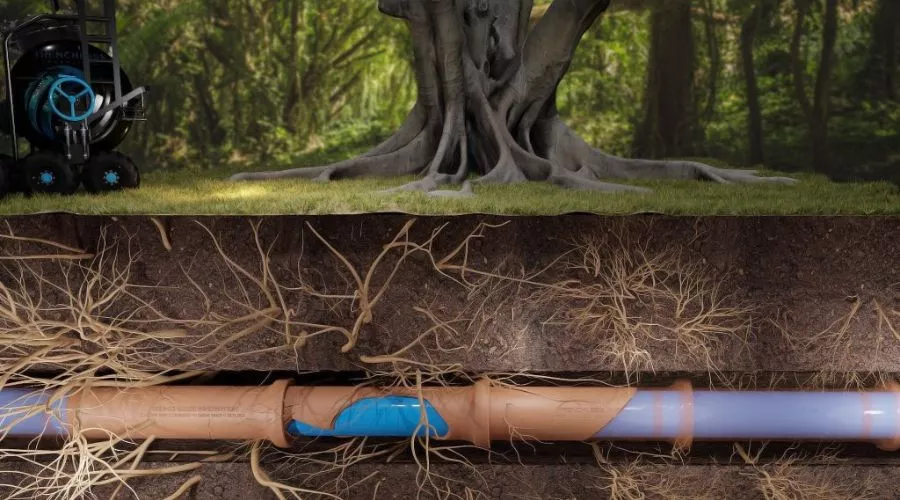
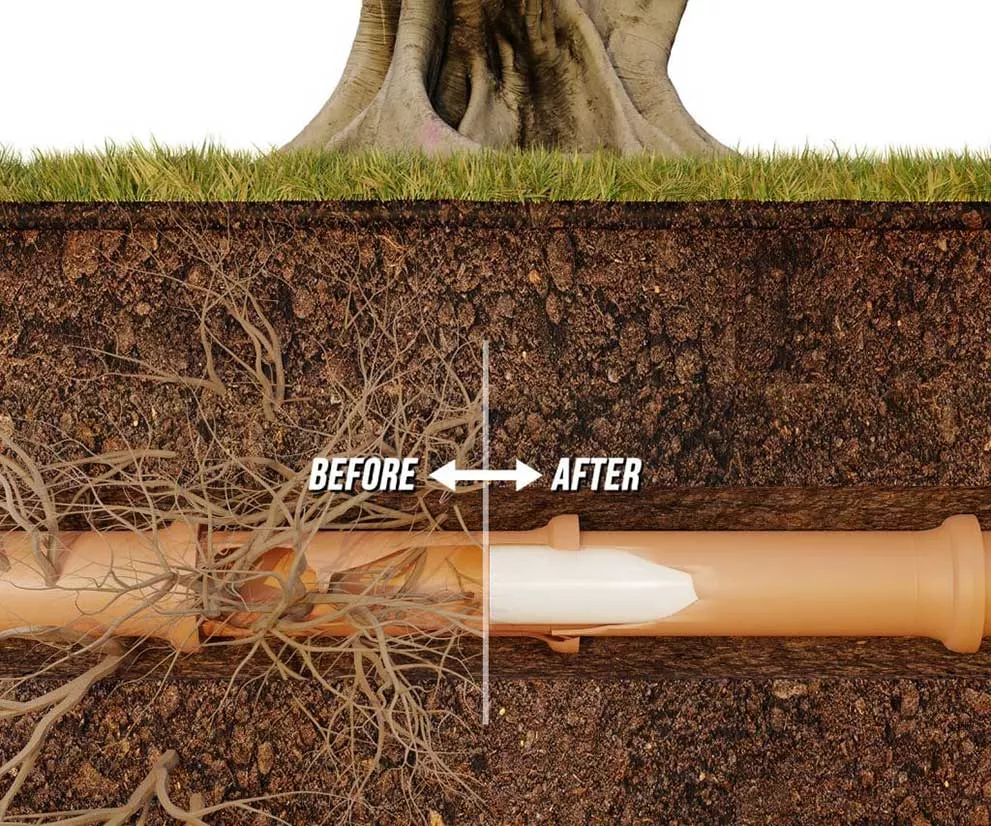
- Tree roots growing inside (some look like small bushes)
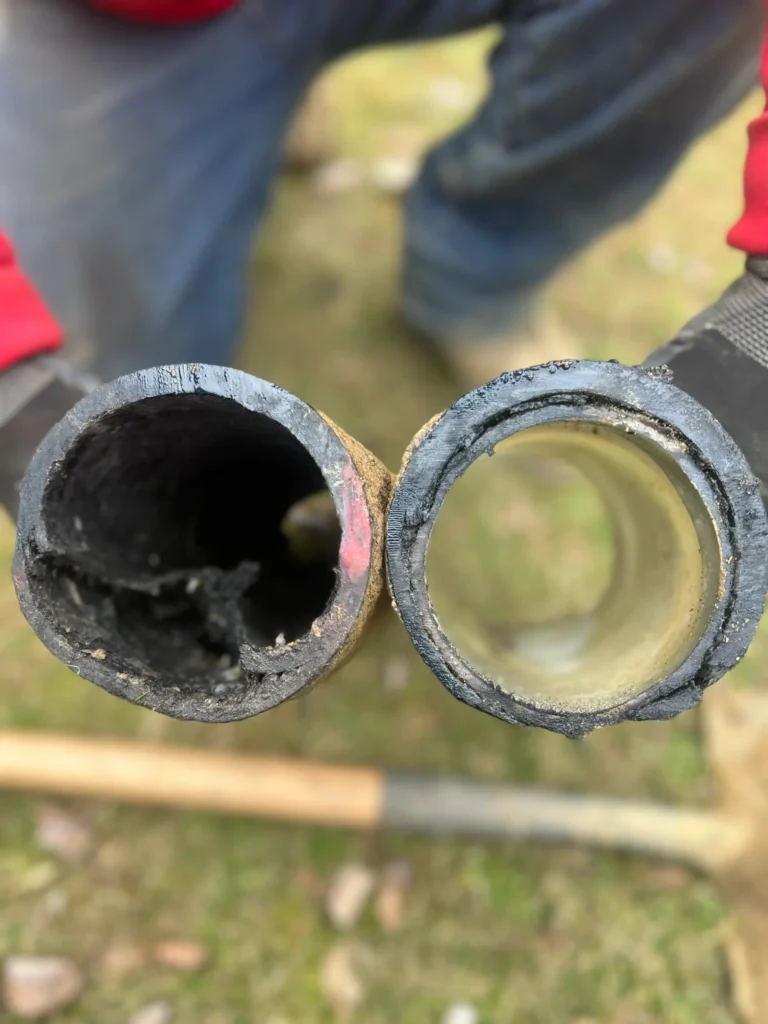
- Rust or corrosion buildup
- Blockages or collapsed sections
- Grease buildup (especially bad in kitchen lines)
- Dirt and sediment piling up
- Joints that are out of line or separated
- Low spots where water pools and clogs form
- Weak spots in the structure
- Pipe material breaking down from age
This non-invasive method ensures we diagnose problems with precision. Last month, a customer was convinced she needed a full sewer replacement because another plumber told her so without even looking inside. Our camera showed just one offset joint—a simple repair that cost $900 instead of the $14,000 replacement she’d been quoted. The look of relief on her face was priceless.
Signs You Need a Sewer Camera Inspection
When to call
Call TodayClogs or sewage backups that happen a lot (more than once or twice a year)
Strange smells coming from drains that won't go away
Gurgling noises in toilets or pipes (sounds like air bubbling through water)
Slow drainage in multiple sinks, tubs, or toilets at the same time
Water pooling outside or in low areas of your yard
Plumbing problems right after heavy rain (could mean cracks letting groundwater in)
Blockages that keep coming back even after professional cleaning
Clogs or Suspected tree root invasion (especially if you have big trees near your sewer line) that keep coming back even after professional cleaning
Drain problems during property inspections or renovations
Buying an older home (I always recommend camera inspections before purchase)
Camera inspections let us find the exact cause of the problem and recommend the most effective solution. Here’s my honest advice: if you’re having recurring drain problems—anything that happens more than twice a year—stop throwing money at temporary fixes and get a camera inspection. I’ve seen people spend $500 here, $400 there, month after month, when one $300 camera inspection would’ve shown them the real problem and saved them thousands.
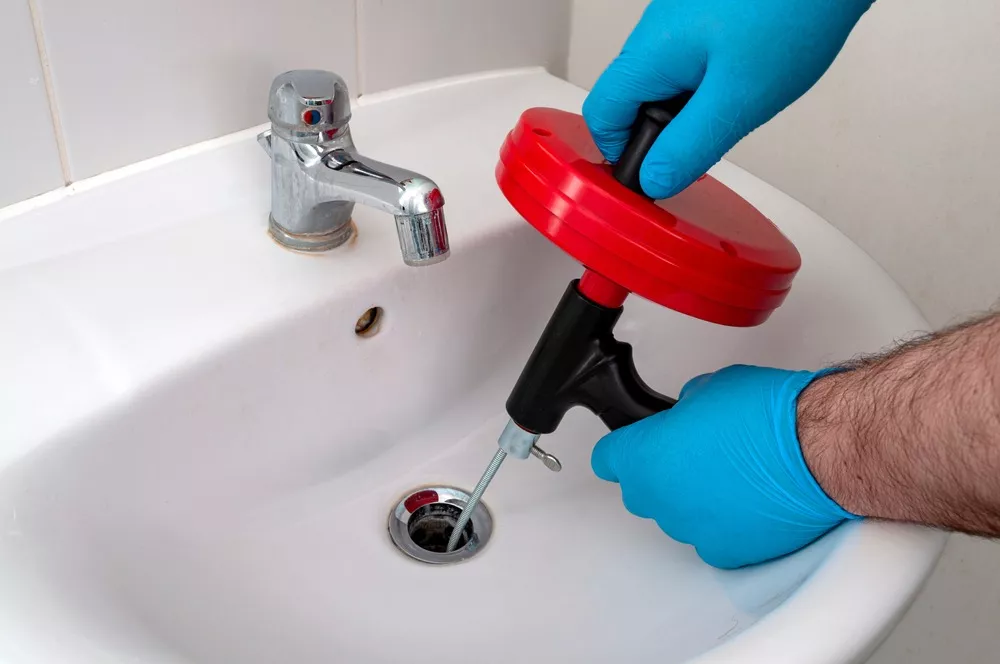
One customer had been snaking his main drain every two months for three years—spending about $250 each time. That’s $4,500 in snaking costs. Our camera inspection revealed extensive root intrusion through multiple cracks. We did a pipe lining repair for $5,800, and he hasn’t had a single problem in the four years since. If he’d done the camera inspection three years earlier, he’d actually have saved money.
Why Choose Sewer Heroes Inc. for Sewer Camera Inspections
why trust sewer heroes
Not all camera inspections are created equal. I've seen footage from other companies that was so blurry or dark you couldn't tell what you were looking at. I've seen inspections where the camera barely went 20 feet into the line when the problem was 60 feet in. And I've heard customers tell me about plumbers who looked at the camera for two minutes, said "yeah, you got problems," and immediately pushed for the most expensive repair without explaining anything.
That's not how we work. Our licensed plumbing contractors use professional HD camera equipment—we're talking broadcast-quality video that shows every detail. We inspect your entire line from access point to municipal connection or septic tank. We record everything so you can see it with us. And we take the time to explain what you're looking at in plain English, not plumber jargon.
Last week, we inspected a line where I spent 20 minutes just walking the customer through the footage, pointing out each problem area, explaining why it happened, and discussing options. She appreciated the education. She made an informed decision based on facts, not fear or pressure. That's how it should be.
High-Definition Imaging for Maximum Clarity
Accuracy
Our advanced sewer cameras capture sharp, detailed images that show even small cracks, buildup, or early signs of damage. We can see hairline fractures, the beginning stages of root intrusion, or areas where corrosion is just starting. This early detection often means simpler, cheaper repairs.
Give us a Call
I remember finding a small root that had just barely entered through a crack—maybe the diameter of a pencil. We hydro jetted it out and sealed that section before the root could grow and cause major damage. Two years later, that homeowner is still problem-free. If we'd waited until he had symptoms, that root would've grown into a massive blockage requiring extensive repair.
Eliminates Unnecessary Digging & Costly Repairs
technology
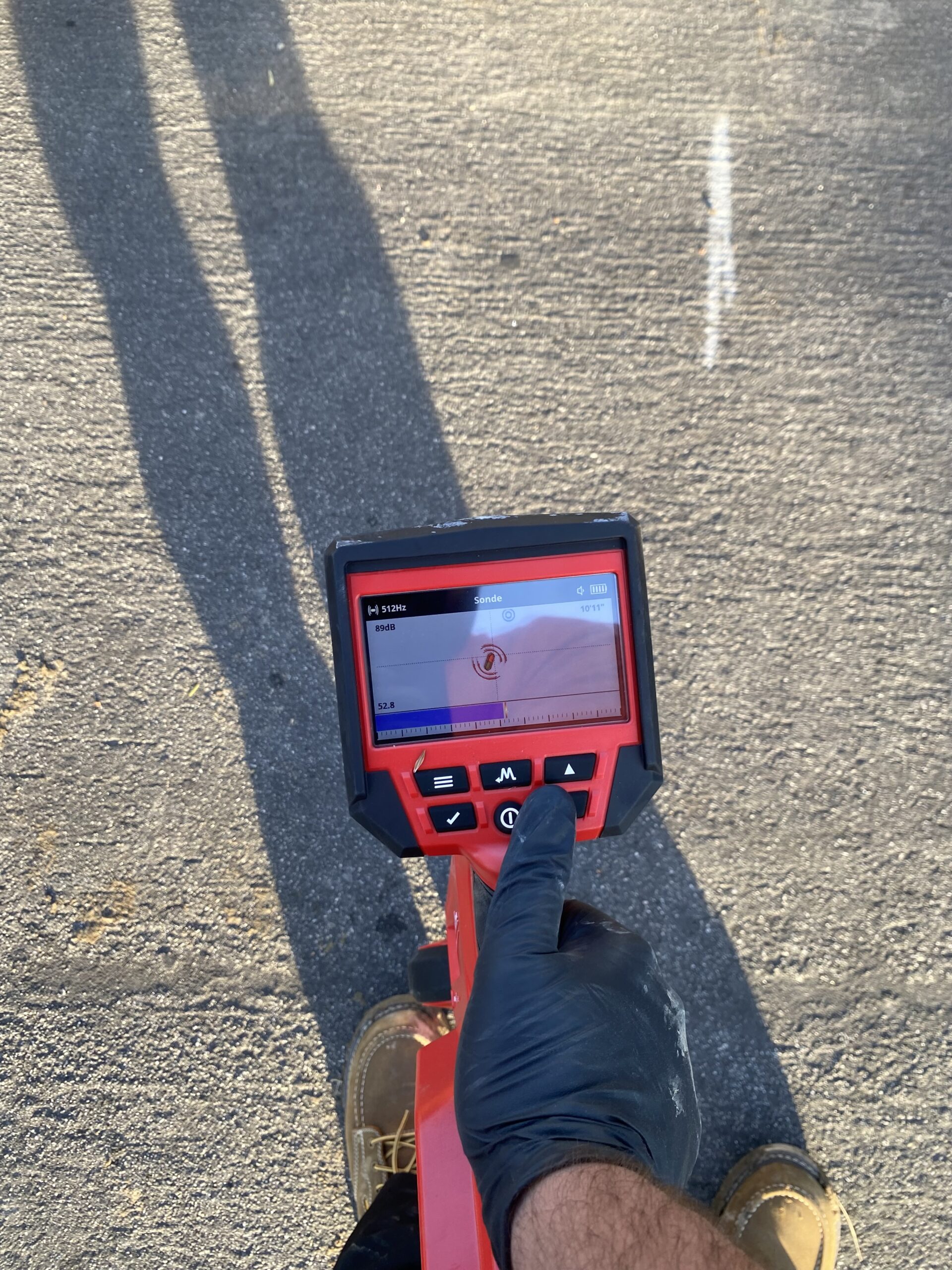
Because inspections show the exact problem at the exact location, we avoid digging unless absolutely necessary. We mark precise GPS coordinates of problem spots so if excavation is needed, we dig once in the right place.
Schedule Service
This saves huge amounts of money. Traditional methods involve digging exploratory holes—"let's dig here and see what we find." Each hole costs money to dig and restore. I've seen properties with 3-4 exploratory holes before they found the problem. With cameras, we find it on the first try, every time.
Essential for Accurate Plumbing & Sewer Planning
Reliable
Camera inspections are required before most professional sewer repairs, hydro jetting, trenchless lining, and smart property purchases. They ensure the right service is done the first time.
Call Today
Here's something many homeowners don't know: if you're buying a house built before 1980, get a sewer camera inspection during your inspection period. It costs $250-$400 and could save you from buying a house with a failing $15,000 sewer system. I've done pre-purchase inspections that found major problems the home inspector missed. One buyer negotiated $12,000 off the purchase price based on our camera findings. That inspection paid for itself thirty times over.
Experiencing recurring plumbing issues?
Don't wait, call today
Get a precise sewer camera inspection from licensed specialists. Schedule your diagnostic today.
Request a professional inspection today.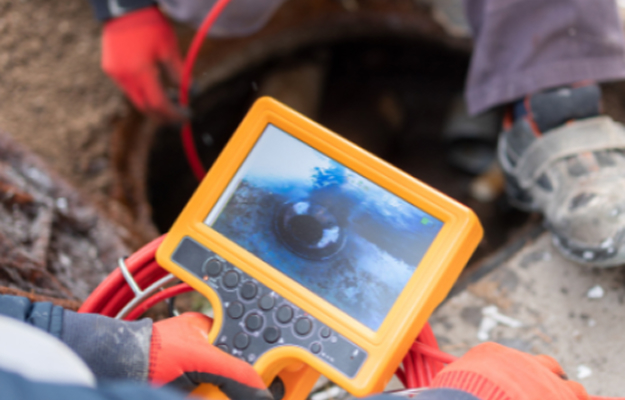

How Sewer Camera Inspections Work
how it works
We start with a detailed video inspection to find every crack, blockage, rust spot, and weak area in your pipe. This takes 30-60 minutes depending on your line length. We measure everything precisely—pipe diameter, length, exact locations of damage. This information determines our liner specifications.
Initial System Assessment
We start by talking with you about symptoms—when problems occur, how often, which fixtures are affected. This gives us context for what we might find. We identify the best access points for inserting the camera, usually through cleanouts, but sometimes through roof vents or by removing toilets.
HD Camera Deployment
The camera is guided through your plumbing system to capture detailed video footage of the inside pipe structure. The cable has distance markers so we know exactly where we are in the line. We note the depth and location of any problems we find. The camera head has bright LED lights and can rotate to see all angles. Modern cameras are amazing—we can see details that were impossible to see even ten years ago. We can measure pipe diameter, detect the pipe material, and even estimate the severity of corrosion or deterioration.
Real-Time Evaluation & Recording
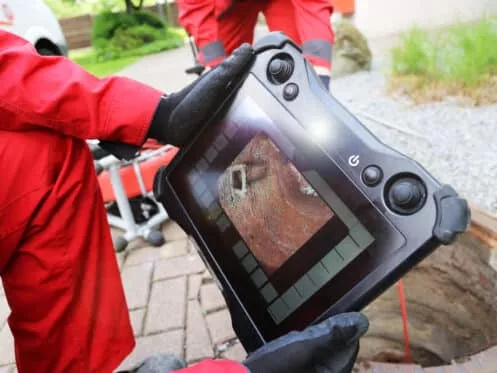
Our technician watches the live video to find damage, blockages, or structural problems. We record everything for documentation and future reference. Often, we'll have you watch with us on a monitor so you can see exactly what we're seeing. Customers are always fascinated watching their sewer line footage. Some are grossed out (understandably), but most are genuinely interested. One customer said, "I've owned this house for 30 years and never thought about what my sewer pipe looks like inside. This is weirdly cool."
Recommendations & Repair Planning
Based on what we find, we give clear repair options—whether it's hydro jetting to clear buildup, pipe lining to seal cracks, root removal, spot repairs, or in severe cases, replacement. We explain pros and cons of each option with honest cost estimates. I always present options from least expensive to most comprehensive. Some customers want the minimal fix to solve the immediate problem. Others want the most thorough solution for long-term peace of mind. Both approaches are valid—it depends on your situation, budget, and how long you plan to own the property.Final Review With the Property Owner
We show you what we discovered and explain every recommended step in detail. We provide a written report with our findings, often with still images from the video. You get a copy of the video file if you want it—great for your records or if you need to show documentation to insurance or during property sales.
Benefits of Sewer Camera Inspection Services
Here's something I've learned after years of doing inspections: the camera doesn't lie. It shows you exactly what's there—no exaggeration, no minimizing. This protects both you and us. You see proof of what needs repair, and we're accountable for accurate diagnosis. It's transparent and honest, which is how plumbing should be.
benefits that last
- Finds the exact location of plumbing problems (down to the foot)
- Avoids unnecessary digging or expensive guessing
- Gives visual proof of damage and pipe condition
- Essential for trenchless pipe lining and major sewer repairs
- Helps detect hidden problems before they become emergencies
- Protects your property from unexpected failures
- Saves time, money, and long-term maintenance costs
- Works for homes, businesses, and apartment buildings
- Provides documentation for insurance claims or property sales
- Helps plan repair budgets accurately
- Often pays for itself by preventing wrong repairs
Frequently asked questions
After doing pipe lining for years, here's what I want homeowners to understand: this technology is genuinely life-changing for people with sewer problems. I've met customers who were planning to move rather than deal with excavating their yard. I've seen elderly homeowners who couldn't handle the stress and disruption of traditional sewer replacement. Pipe lining gave them solutions they could actually live with.
Also, understand that pipe lining isn't always the answer. If your pipe is completely collapsed, if there are major offsets or separations, if the damage is too severe—you might need traditional repair. Don't let anyone pressure you into lining if your pipe isn't a good candidate. Get that camera inspection first, see what you're really dealing with, then make an informed decision.
Sewer Heroes Inc. delivers advanced sewer pipe lining repair services that fix damaged plumbing systems with minimal disruption. Our licensed plumbing professionals use proven trenchless technology and top-quality materials to reinforce your sewer lines for 50+ years. Whether you're dealing with cracks, rust, root damage, or recurring sewer problems, our team provides honest assessments and lasting solutions. We treat your property with the care it deserves because that's simply how we work.
Why is a sewer camera inspection necessary?
It provides accurate diagnostics, letting plumbers find the real cause of blockages, leaks, or sewer failures without invasive methods. Without a camera, we’re essentially guessing based on symptoms. With a camera, we know for certain.
Think of it like a doctor ordering an X-ray instead of just guessing about a broken bone. Sure, the doctor might be right based on symptoms, but the X-ray confirms it and shows exactly where the break is and how severe. Camera inspections do the same thing for your plumbing.
Can a sewer camera inspection detect all types of damage?
Yes, it can show cracks, rust, root intrusion, blockages, misalignments, partial collapses, and even things like grease buildup or sediment accumulation. The only limitation is if the pipe is so blocked we can’t get the camera past the blockage—but even then, we know exactly where the blockage is.
I’ve found everything imaginable with cameras: children’s toys, tree branches, towels, concrete chunks, collapsed sections, roots the size of tree trunks, pipes installed backwards, missing pipe sections, and once, believe it or not, a coffee mug. The camera shows it all.
Is a camera inspection required before trenchless pipe lining?
Absolutely, yes. A camera inspection makes sure the pipe is suitable for lining and identifies areas that need preparation or cleaning first. Trying to line a pipe without inspecting it first is like doing surgery blindfolded—you might get lucky, but you probably won’t.
The camera tells us pipe diameter, material, extent of damage, where cracks are, and whether lining is even appropriate. Sometimes we find the damage is too severe for lining, or there’s a complete collapse. Better to know that before starting a lining job that won’t work.
How long does the inspection take?
Most sewer camera inspections take 30–60 minutes, depending on pipe length and what we find. A simple residential line might take 30 minutes. A longer commercial line or a line with lots of damage to document might take an hour or more.
We don’t rush inspections. Missing something because we went too fast helps nobody. I’d rather spend an extra 15 minutes and catch every problem than rush through and miss something important.
Can I get a copy of the inspection video?
Yes, absolutely. We provide recorded footage and detailed findings. We can email you the video file, put it on a USB drive, or upload it to a cloud service for you to download. Many customers want the video for their records, especially if they’re planning repairs over time or need documentation for insurance or property transactions.
How much does a camera inspection cost?
Most camera inspections run $250-$500 depending on your location and line length. Some companies offer free inspections if you hire them for repairs, but be careful—”free” inspections sometimes come with pressure to buy services you might not need.
I believe in charging fairly for inspections because it keeps things honest. When you pay for the inspection separately, we have no incentive to exaggerate problems or push unnecessary repairs. Our only job is to show you what’s actually there and give honest recommendations.
Should I get a camera inspection even if I don't have problems?
For older homes (30+ years) or homes with large trees near the sewer line, I recommend inspections every 3-5 years as preventive maintenance. It’s much cheaper to catch small problems early than to deal with emergencies.
Also, definitely get an inspection if you’re buying a house, especially one built before 1980. It’s one of the smartest investments you can make during the home buying process.